

Haptic feedback is a fascinating concept that has gained significant traction in recent years, particularly in the realm of technology and design. At its core, haptic feedback refers to the use of tactile sensations to communicate information to users. This can range from simple vibrations in a smartphone to complex sensations that simulate touch and movement in virtual environments.
I find it intriguing how this technology bridges the gap between the digital and physical worlds, allowing users to experience a more immersive interaction with devices. The essence of haptic feedback lies in its ability to provide a sensory response that enhances the overall user experience, making interactions feel more intuitive and engaging. As I delve deeper into the mechanics of haptic feedback, I realize that it operates on various principles, including force feedback, vibration, and motion.
These elements work together to create a rich tapestry of sensations that can convey different types of information. For instance, a gentle vibration might indicate a notification, while a more pronounced force could signal an error or alert. The versatility of haptic feedback is what makes it so appealing in motion design, as it allows designers to craft experiences that resonate with users on multiple levels.
By understanding the nuances of haptic feedback, I can appreciate its potential to transform how we interact with technology.
Key Takeaways
- Haptic feedback is the use of touch and vibration to communicate information to users, enhancing their sensory experience.
- Haptic feedback plays a crucial role in motion design by providing users with physical feedback that complements visual and auditory cues.
- Incorporating haptic feedback in user experience design can improve the overall usability and engagement of a product or interface.
- Haptic feedback can enhance user engagement by creating more immersive and interactive experiences, leading to increased user satisfaction and retention.
- Designing for multi-sensory experiences involves integrating haptic feedback with other sensory elements to create a more holistic and engaging user experience.
The Role of Haptic Feedback in Motion Design
In the realm of motion design, haptic feedback plays a pivotal role in enhancing the user experience. As I explore this intersection, I recognize that motion design is not solely about visual aesthetics; it also encompasses how users perceive and interact with those visuals. Haptic feedback adds an additional layer of depth to motion design by providing tactile cues that complement visual elements.
For example, when a user interacts with a button on a screen, the accompanying vibration can reinforce the action, making it feel more satisfying and complete. This synergy between visual and tactile feedback creates a more cohesive experience that resonates with users. Moreover, haptic feedback can significantly influence user behavior and decision-making.
When I consider how users engage with applications or devices, I realize that the tactile sensations they experience can guide their actions. For instance, a subtle vibration when scrolling through a menu can indicate that they are moving through options, while a stronger feedback when selecting an item can confirm their choice. This interplay between motion design and haptic feedback not only enhances usability but also fosters a sense of connection between the user and the interface.
As I reflect on my own experiences with various applications, I can see how effective haptic feedback has shaped my interactions and influenced my overall satisfaction.
Incorporating Haptic Feedback in User Experience

Integrating haptic feedback into user experience design requires careful consideration and strategic planning. As I embark on this journey, I understand that the key lies in identifying moments where tactile sensations can enhance the interaction. It’s essential to strike a balance between providing meaningful feedback and overwhelming users with excessive sensations.
For instance, I might choose to implement haptic feedback during critical actions, such as submitting a form or completing a transaction, where confirmation is vital. By doing so, I can create a sense of accomplishment and reassurance for users. Additionally, I recognize that the effectiveness of haptic feedback is closely tied to its context.
Different applications may require varying degrees of tactile response based on their purpose and audience. For example, in gaming applications, I might opt for more intense vibrations to convey excitement and urgency during gameplay. Conversely, in productivity applications, subtle feedback may be more appropriate to maintain focus without causing distractions.
By tailoring haptic feedback to suit the specific needs of each application, I can enhance the overall user experience and ensure that interactions feel both intuitive and rewarding.
Enhancing Engagement through Haptic Feedback
Engagement is a crucial aspect of any user experience, and haptic feedback serves as a powerful tool for fostering this connection. As I explore ways to enhance engagement through tactile sensations, I realize that the emotional response elicited by haptic feedback can significantly impact how users perceive their interactions. When users receive immediate tactile responses to their actions, it creates a sense of presence and involvement that keeps them invested in the experience.
For instance, when I feel a satisfying vibration after completing a task, it reinforces my sense of achievement and encourages me to continue engaging with the application. Moreover, haptic feedback can be instrumental in creating memorable experiences that resonate with users long after their interaction has ended. I find it fascinating how certain tactile sensations can evoke emotions or memories associated with specific actions.
For example, the feeling of a gentle pulse when receiving a notification can create anticipation and excitement. By leveraging these emotional connections through haptic feedback, I can design experiences that not only capture attention but also leave a lasting impression on users.
Designing for Multi-Sensory Experiences
As I delve into the world of multi-sensory experiences, I recognize that haptic feedback is just one piece of the puzzle. Designing for multi-sensory interactions involves harmonizing visual, auditory, and tactile elements to create a cohesive experience that engages users on multiple levels. In my exploration of this concept, I find that incorporating haptic feedback alongside other sensory cues can amplify the overall impact of an interaction.
For instance, when combined with sound effects or visual animations, haptic feedback can create a richer narrative that draws users deeper into the experience. I also understand that designing for multi-sensory experiences requires careful consideration of how each element interacts with one another. It’s essential to ensure that the tactile sensations complement rather than compete with visual or auditory cues.
For example, if I design an application where users swipe through images accompanied by sound effects, adding subtle haptic feedback during each swipe can enhance the sensation of movement without overwhelming the user. By thoughtfully integrating these sensory elements, I can create immersive experiences that captivate users and encourage them to explore further.
Haptic Feedback and Accessibility in Motion Design
Enhancing Inclusivity
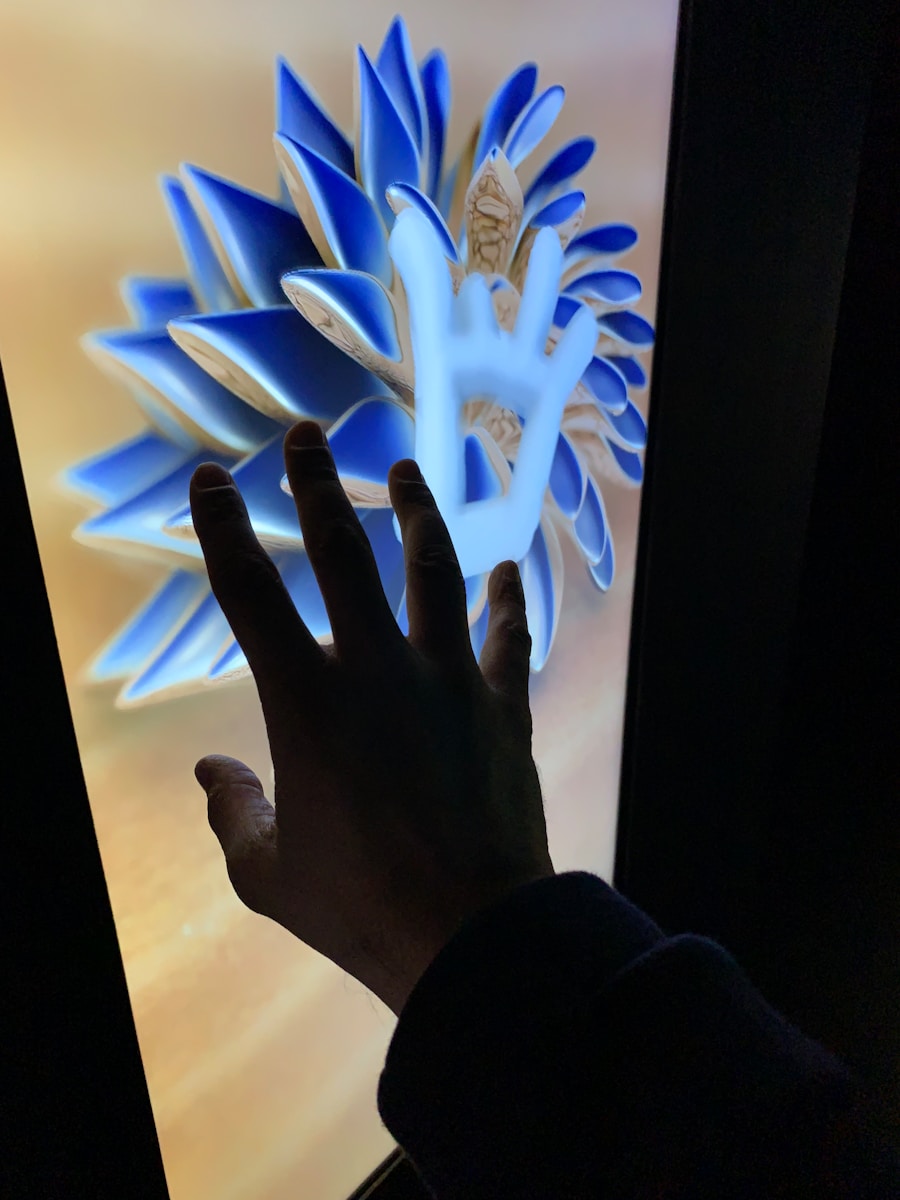
For instance, using distinct vibrations to signify different actions or notifications can help visually impaired users understand their interactions without relying solely on visual cues. Furthermore, haptic feedback can benefit users with hearing impairments by providing an additional layer of information through touch.
Inclusive Experiences
As I consider how to make my designs more accessible, I am inspired by the potential of haptic feedback to create inclusive experiences that cater to diverse needs. By prioritizing accessibility in my motion design work, I can contribute to a more equitable digital landscape where everyone has the opportunity to engage meaningfully.
Towards a More Equitable Digital Landscape
Future Trends and Innovations in Haptic Feedback
As I look toward the future of haptic feedback, I am excited about the potential innovations that lie ahead. The rapid advancement of technology opens up new possibilities for creating more sophisticated and nuanced tactile experiences. One trend that captures my attention is the development of advanced haptic devices capable of simulating complex textures and sensations.
Imagine being able to feel the roughness of a surface or the softness of fabric through your fingertips while interacting with digital content! This level of realism could revolutionize industries such as gaming, education, and virtual reality. Additionally, I am intrigued by the potential integration of haptic feedback with emerging technologies like augmented reality (AR) and virtual reality (VR).
As these technologies continue to evolve, incorporating tactile sensations into immersive environments could enhance user engagement and realism significantly. For instance, when exploring a virtual world in VR, feeling the impact of virtual objects or experiencing environmental changes through touch could create an unparalleled sense of presence. As I contemplate these future trends, I am inspired by the endless possibilities for enhancing user experiences through innovative applications of haptic feedback.
Case Studies: Successful Implementation of Haptic Feedback in Motion Design
To illustrate the impact of haptic feedback in motion design, I find it valuable to examine successful case studies where this technology has been effectively implemented. One notable example is the gaming industry, where developers have harnessed haptic feedback to create immersive gameplay experiences. In games like “Astro’s Playroom,” players feel distinct vibrations corresponding to different actions—such as jumping or running—enhancing their connection to the game world.
This thoughtful integration of haptic feedback not only elevates gameplay but also fosters emotional engagement as players become more attuned to their virtual surroundings. Another compelling case study is found in mobile applications designed for fitness tracking and health monitoring. Many fitness apps now incorporate haptic feedback to provide real-time notifications during workouts or reminders for activity breaks.
For instance, when I receive a gentle vibration after completing a set number of steps or reaching my daily goal, it reinforces my progress and motivates me to stay active throughout the day. This strategic use of haptic feedback not only enhances user engagement but also contributes to positive behavioral changes by encouraging healthier habits. In conclusion, my exploration of haptic feedback reveals its profound impact on motion design and user experience as a whole.
By understanding its principles and applications, I can appreciate how this technology enhances engagement, accessibility, and multi-sensory experiences across various platforms. As I look toward the future, I am excited about the innovations on the horizon and how they will shape our interactions with technology in increasingly immersive ways. Through thoughtful implementation and design considerations, I believe we can harness the power of haptic feedback to create meaningful experiences that resonate deeply with users.
FAQs
What is haptic feedback in motion design?
Haptic feedback in motion design refers to the use of tactile sensations, such as vibrations or movements, to enhance the user experience in digital interfaces. It engages the sense of touch to provide users with physical feedback in response to their interactions with a device or interface.
How does haptic feedback enhance user experience?
Haptic feedback enhances user experience by providing a more immersive and engaging interaction with digital interfaces. It can convey information, create a sense of realism, and improve the usability of a product by providing physical feedback that complements visual and auditory cues.
What are the applications of haptic feedback in motion design?
Haptic feedback in motion design has a wide range of applications, including mobile devices, gaming consoles, virtual reality systems, and automotive interfaces. It can be used to simulate the feeling of pressing a button, navigating a virtual environment, or receiving notifications, among other interactions.
How is haptic feedback implemented in motion design?
Haptic feedback in motion design is implemented using actuators, such as vibration motors or linear resonant actuators, that are integrated into the hardware of a device. These actuators are controlled by software to provide specific tactile sensations in response to user interactions.
What are the benefits of incorporating haptic feedback in motion design?
Incorporating haptic feedback in motion design can improve user engagement, increase accessibility for individuals with visual or auditory impairments, and provide more intuitive and natural interactions with digital interfaces. It can also contribute to a more memorable and enjoyable user experience.