Biomorphic design is a fascinating approach that draws inspiration from the forms and structures found in nature. As I delve into this subject, I find myself captivated by how this design philosophy transcends mere aesthetics, intertwining functionality with organic beauty. The essence of biomorphic design lies in its ability to mimic the shapes, patterns, and processes of living organisms, creating a harmonious relationship between the built environment and the natural world.
This connection not only enhances visual appeal but also promotes sustainability and efficiency, making it a compelling choice for contemporary designers across various fields. In my exploration of biomorphic design, I have come to appreciate its profound implications for creativity and innovation. By observing nature’s intricate designs, I am inspired to think outside the box and embrace a more holistic approach to problem-solving.
This design philosophy encourages me to consider how my creations can coexist with their surroundings, fostering a sense of balance and unity. As I embark on this journey through the history, principles, applications, and future of biomorphic design, I am eager to uncover the myriad ways in which this approach can shape our world.
Key Takeaways
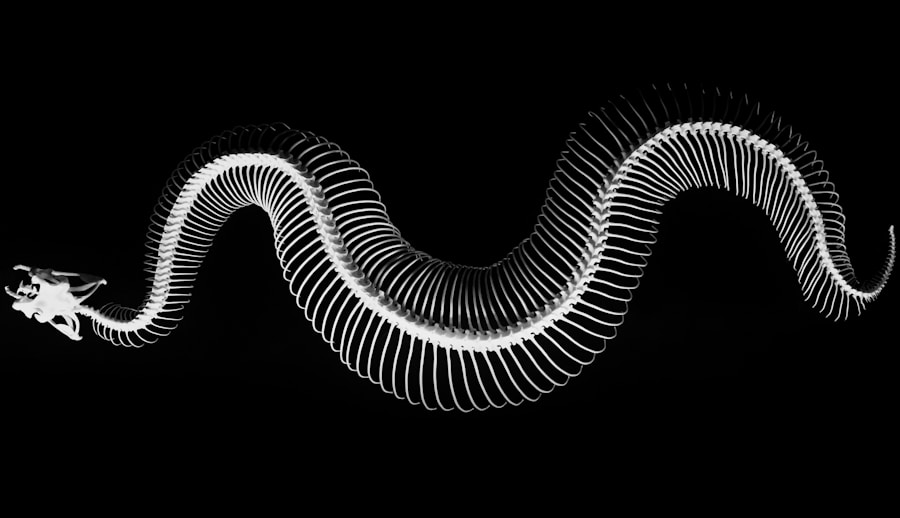
- Biomorphic design is inspired by natural forms and processes, aiming to create designs that are organic, fluid, and dynamic.
- The concept of biomorphic design can be traced back to ancient civilizations, but it gained popularity in the 20th century through the work of artists and designers.
- Key principles of biomorphic design include organic shapes, fluid lines, and dynamic patterns, reflecting the beauty and complexity of nature.
- Biomorphic design is widely used in graphics to create visually appealing and engaging designs, often seen in branding, advertising, and digital media.
- In architecture and interior design, biomorphic design is utilized to create spaces that evoke a sense of harmony and connection with nature, often incorporating natural materials and organic forms.
History and Origins of Biomorphic Design
The Influence of Organic Forms Throughout History
As I study the history of this design philosophy, I am struck by how cultures across the globe have drawn inspiration from the natural world for centuries. From the intricate patterns of Islamic art to the flowing lines of Art Nouveau, the influence of organic forms has been a constant thread throughout human history.
A Timeless Philosophy for Modern Contexts
In the 20th century, biomorphic design gained renewed attention as artists and architects began to explore its potential in modern contexts. Pioneers like Antoni Gaudí and Frank Lloyd Wright embraced organic forms, integrating them into their architectural masterpieces. Their work not only showcased the beauty of nature but also highlighted the importance of sustainability and ecological awareness.
A Lasting Legacy in Contemporary Design
As I reflect on this evolution, I recognize that biomorphic design is not merely a trend; it is a timeless philosophy that continues to inspire contemporary creators to seek innovative solutions rooted in the natural world.
Principles and Characteristics of Biomorphic Design

At the heart of biomorphic design are several key principles that guide its application across various disciplines. One of the most prominent characteristics is the emphasis on organic shapes and forms that mimic those found in nature. As I analyze these principles, I realize that this approach encourages me to break free from rigid geometric structures and embrace fluidity and movement in my designs.
The result is often a more dynamic and engaging experience for users, as they interact with forms that resonate with their innate understanding of the natural world. Another essential principle of biomorphic design is sustainability. In my pursuit of creating environmentally conscious designs, I find that biomorphic principles often lead me to consider materials and processes that minimize waste and energy consumption.
By emulating nature’s efficiency, I can create products and spaces that not only look beautiful but also contribute positively to the environment. This dual focus on aesthetics and sustainability is what makes biomorphic design so compelling; it challenges me to think critically about my choices as a designer while remaining true to the organic inspirations that drive my creativity.
Applications of Biomorphic Design in Graphics
In the realm of graphic design, biomorphic elements can be seen in various forms, from logos to illustrations. As I explore this application, I am fascinated by how designers incorporate organic shapes and patterns to evoke emotions and convey messages. For instance, using flowing lines and natural motifs can create a sense of calmness or vitality, depending on the intended message.
This versatility allows me to tap into the emotional resonance of nature while crafting visual narratives that engage audiences on a deeper level. Moreover, biomorphic design in graphics often extends beyond mere aesthetics; it can also enhance functionality. For example, user interface (UI) design increasingly embraces organic shapes to create intuitive experiences for users.
As I experiment with these principles in my own work, I find that incorporating biomorphic elements can lead to more user-friendly designs that feel familiar and approachable. This intersection of beauty and usability is what makes biomorphic design so powerful in the graphic arts.
Biomorphic Design in Architecture and Interior Design
When it comes to architecture and interior design, biomorphic principles take on a transformative role. As I study iconic structures like the Eden Project in the UK or the Guggenheim Museum in Bilbao, I am struck by how these buildings seamlessly integrate with their natural surroundings. The use of organic forms not only enhances visual appeal but also fosters a sense of connection between occupants and their environment.
This relationship is crucial for creating spaces that promote well-being and harmony. In interior design, biomorphic elements can be employed to create inviting and comfortable spaces. As I experiment with incorporating natural materials, textures, and colors into my designs, I notice how these choices evoke a sense of tranquility and warmth.
Curved furniture pieces or wall designs inspired by natural forms can soften harsh lines and create a more welcoming atmosphere. This approach encourages me to think about how my designs can enhance the quality of life for those who inhabit them, ultimately leading to more meaningful experiences within built environments.
Biomorphic Design in Product Design
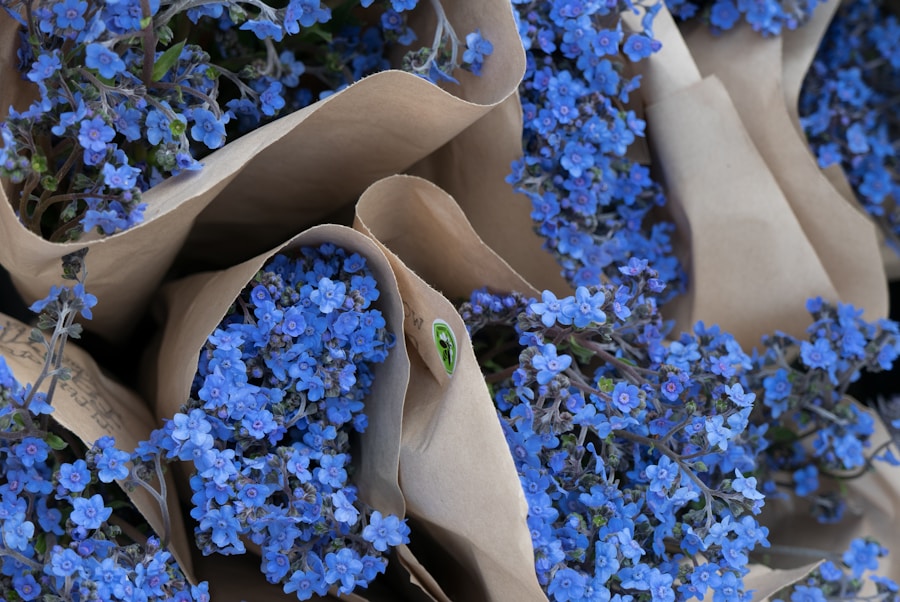
The influence of biomorphic design extends into product design as well, where it offers innovative solutions that prioritize both form and function. As I explore this field, I am inspired by how designers draw from nature’s ingenuity to create products that are not only aesthetically pleasing but also highly functional. For instance, ergonomic furniture often takes cues from human anatomy, ensuring comfort while maintaining an organic feel.
This thoughtful integration of form and function resonates deeply with me as I strive to create products that enhance users’ lives. Additionally, biomorphic design encourages sustainability in product development. By studying natural processes, designers can develop materials and manufacturing techniques that minimize environmental impact.
As I engage with these principles in my own work, I find myself motivated to seek out eco-friendly materials and production methods that align with my values as a designer. This commitment to sustainability not only benefits the planet but also appeals to consumers who increasingly prioritize environmentally conscious choices.
The Future of Biomorphic Design
Looking ahead, I am excited about the potential for biomorphic design to shape our future in profound ways. As technology continues to advance, I envision new opportunities for integrating organic forms into digital environments. Virtual reality (VR) and augmented reality (AR) offer exciting possibilities for creating immersive experiences that mimic natural landscapes or biological processes.
This fusion of technology and nature could revolutionize how we interact with our surroundings, fostering a deeper appreciation for the beauty of the natural world. Moreover, as society grapples with pressing environmental challenges, biomorphic design will play an essential role in promoting sustainability across various industries. By prioritizing eco-friendly practices and materials, designers can contribute to a more sustainable future while inspiring others to do the same.
As I reflect on this potential impact, I feel a sense of responsibility as a designer to advocate for practices that honor our planet and its resources.
Conclusion and Impact of Biomorphic Design
In conclusion, my exploration of biomorphic design has revealed its profound impact on various fields, from graphics to architecture and product design. This approach not only celebrates the beauty of nature but also emphasizes sustainability and functionality—principles that resonate deeply with me as a designer. By embracing organic forms and processes, I am inspired to create work that fosters harmony between human creations and the natural world.
As I continue my journey in design, I am committed to integrating biomorphic principles into my practice. The lessons learned from nature will guide me as I strive to create meaningful experiences that enhance well-being while respecting our environment. Ultimately, biomorphic design serves as a reminder of our interconnectedness with nature—a theme that will undoubtedly shape the future of design for generations to come.
FAQs
What is biomorphic design?
Biomorphic design is a design approach that takes inspiration from natural forms, structures, and processes. It often involves creating designs that mimic the shapes, patterns, and movements found in living organisms.
How is biomorphic design used in graphics?
In graphics, biomorphic design involves creating visual elements that resemble organic shapes, patterns, and textures. This can include using curved lines, fluid shapes, and organic color palettes to evoke a sense of natural forms and movements.
What are the benefits of using biomorphic design in graphics?
Using biomorphic design in graphics can create visually engaging and dynamic designs that resonate with viewers on a subconscious level. It can also evoke feelings of harmony, balance, and connection to nature, which can be appealing in various design contexts.
What are some examples of biomorphic design in graphics?
Examples of biomorphic design in graphics can include logo designs that incorporate organic shapes, website layouts that mimic natural patterns, and illustrations that depict fluid, flowing forms inspired by living organisms.
How does biomorphic design differ from other design approaches?
Biomorphic design differs from other design approaches in that it specifically draws inspiration from the natural world, focusing on organic shapes, patterns, and movements. This sets it apart from more geometric or abstract design styles.