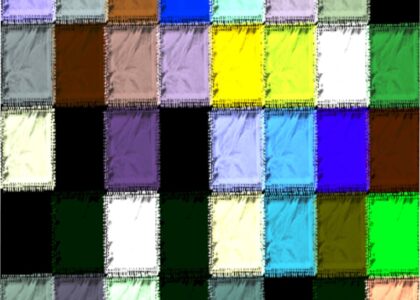

In recent years, I have noticed a fascinating shift in the world of design, one that challenges traditional notions of beauty and perfection. This movement, often referred to as anti-design, embraces the idea that imperfection and irregularity can be just as compelling, if not more so, than the polished and pristine aesthetics that have long dominated the design landscape. Anti-design is not merely a rejection of conventional design principles; it is a celebration of the raw, the unrefined, and the authentic.
As I delve deeper into this intriguing phenomenon, I find myself captivated by its implications for art, fashion, and even everyday life. The roots of anti-design can be traced back to various cultural and artistic movements that have sought to break free from the constraints of traditional aesthetics. From the Dadaists of the early 20th century to the punk rock movement of the 1970s, there has always been a countercultural impulse that questions the status quo.
Today, anti-design continues this legacy by challenging our perceptions of beauty and encouraging us to embrace the flaws and quirks that make each piece unique. As I explore this movement further, I am struck by how it resonates with our contemporary desire for authenticity in a world increasingly dominated by digital perfection.
Key Takeaways
- Anti-design challenges traditional notions of perfection and embraces imperfections as a form of aesthetic appeal.
- Unconventional aesthetics in anti-design celebrate the beauty of raw, unrefined, and unpolished elements.
- DIY culture has heavily influenced anti-design, encouraging individuals to create and embrace their own unique, imperfect styles.
- Anti-design has made its mark in fashion and art, with designers and artists incorporating broken aesthetics into their work.
- Social media has played a significant role in popularizing anti-design, allowing for the widespread sharing and celebration of imperfect and unconventional aesthetics.
The Appeal of Imperfection
One of the most compelling aspects of anti-design is its embrace of imperfection. In a society that often equates beauty with flawlessness, I find it refreshing to see a growing appreciation for the beauty found in the imperfect. This appeal lies not only in the aesthetic qualities of irregularity but also in the emotional resonance that imperfection can evoke.
When I encounter a piece of art or design that showcases its flaws, I am reminded of the human touch behind it—the artist’s hand, the creative process, and the story that each imperfection tells. Moreover, imperfection invites a sense of intimacy and connection. It allows me to see the work as a reflection of the artist’s journey rather than a mere product.
This emotional engagement is particularly powerful in an age where mass production often leads to a disconnect between creator and consumer. By embracing imperfection, anti-design fosters a deeper appreciation for craftsmanship and individuality. I find myself drawn to pieces that tell a story, that bear the marks of their creation, and that invite me to reflect on my own experiences with imperfection.
Embracing Unconventional Aesthetics

As I explore the realm of anti-design, I am continually fascinated by its embrace of unconventional aesthetics. This movement encourages a departure from established norms and invites experimentation with form, color, and texture. In my own creative endeavors, I have found that stepping outside the boundaries of traditional design can lead to unexpected and exciting results.
The freedom to play with asymmetry, clashing colors, and unconventional materials opens up a world of possibilities that challenge my preconceived notions of what design should be. Unconventional aesthetics also serve as a powerful form of self-expression. In a world where conformity often reigns supreme, I appreciate how anti-design allows individuals to showcase their unique perspectives and identities.
Whether through fashion choices that defy trends or art that challenges societal expectations, embracing unconventional aesthetics empowers me to celebrate my individuality. This movement encourages me to think critically about what beauty means and to redefine it on my own terms.
The Influence of DIY Culture
The rise of anti-design is closely intertwined with the DIY culture that has gained momentum in recent years. As I engage with this culture, I am inspired by the idea that creativity is not limited to those with formal training or access to expensive resources. DIY culture champions the notion that anyone can be a creator, and this democratization of design aligns perfectly with the principles of anti-design.
I find joy in crafting my own pieces, whether it’s through upcycling old furniture or experimenting with handmade art. This hands-on approach fosters a sense of ownership and pride in my creations. When I take the time to create something myself, imperfections become part of its charm rather than flaws to be hidden away.
The DIY ethos encourages me to embrace experimentation and exploration, allowing me to discover new techniques and materials along the way. In this context, anti-design becomes not just a style but a mindset—one that values creativity over conformity and celebrates the journey of making.
The Rise of Anti-Design in Fashion and Art
In both fashion and art, I have witnessed a remarkable rise in anti-design principles that challenge conventional standards. Designers are increasingly embracing asymmetry, unexpected silhouettes, and unconventional materials in their collections. This shift reflects a broader cultural movement that values authenticity over perfection.
As I browse through fashion shows or art exhibitions, I am often struck by how these creators are redefining beauty through their willingness to take risks and break away from traditional aesthetics. In fashion, anti-design manifests in collections that prioritize comfort and individuality over rigid trends. I find myself drawn to pieces that tell a story—garments that are not just about looking good but also about expressing who I am.
Similarly, in the art world, many contemporary artists are exploring themes of chaos and disorder as a means of reflecting on societal issues. This intersection of fashion and art within the anti-design movement resonates deeply with me as it encourages self-expression and challenges societal norms.
The Role of Social Media in Popularizing Broken Aesthetics
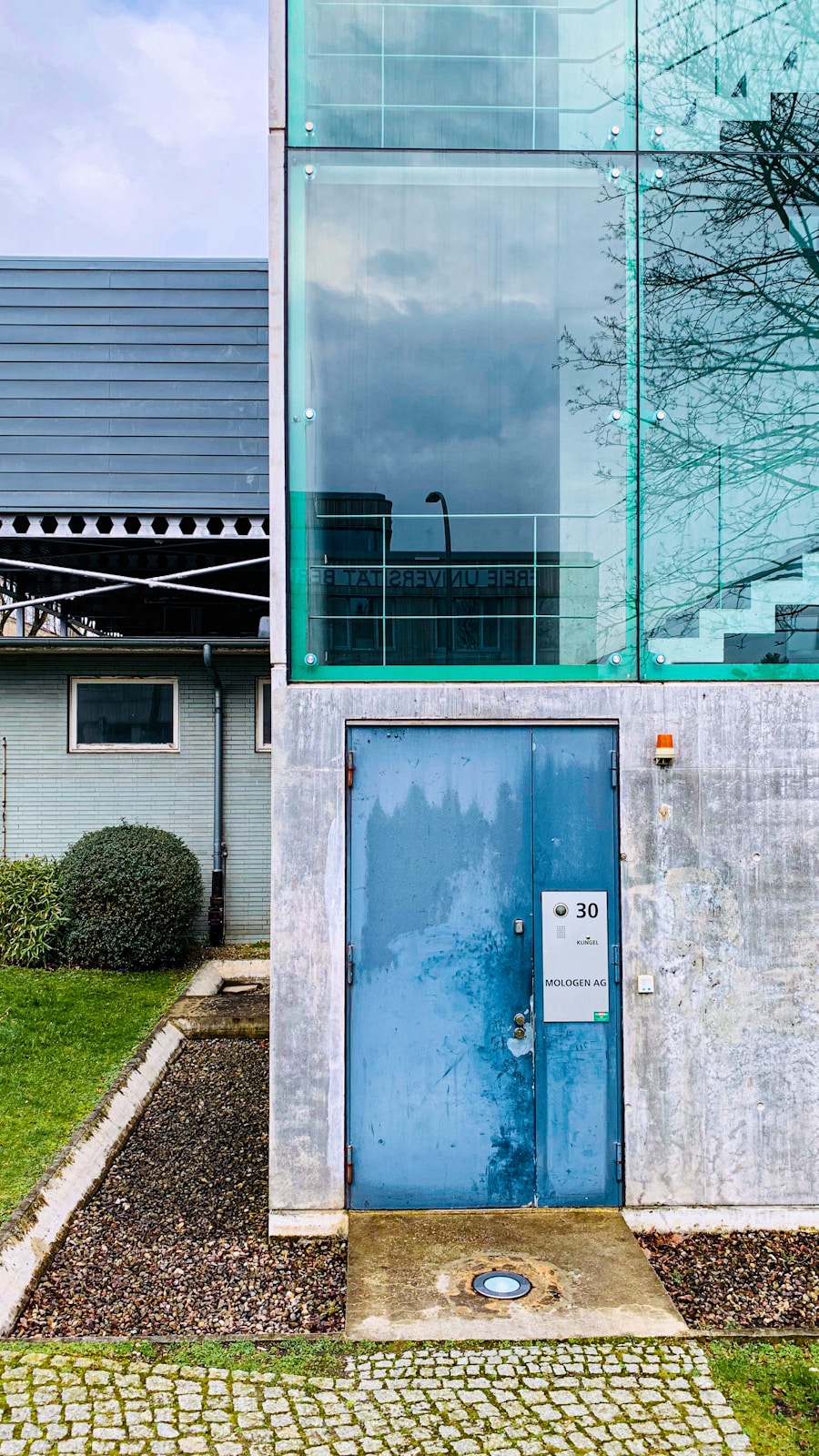
Social media has played an instrumental role in popularizing anti-design and broken aesthetics. Platforms like Instagram and TikTok have become spaces where creators can share their unconventional designs and artistic expressions with a global audience. As I scroll through my feed, I am often inspired by individuals who embrace imperfection and showcase their unique styles unapologetically.
This visibility has fostered a sense of community among those who appreciate anti-design principles. Moreover, social media allows for rapid dissemination of ideas and trends, enabling anti-design to reach audiences who may not have encountered it otherwise. The hashtag culture surrounding DIY projects or unconventional fashion choices creates a sense of belonging among those who resonate with these ideals.
As I engage with this online community, I feel empowered to experiment with my own creativity and share my journey with others who appreciate the beauty found in imperfection.
Critiques and Controversies Surrounding Anti-Design
Despite its growing popularity, anti-design is not without its critiques and controversies. Some argue that this movement risks glorifying mediocrity or promoting a lack of skill in craftsmanship. As I reflect on these critiques, I recognize that there is a fine line between embracing imperfection and neglecting quality altogether.
While anti-design celebrates authenticity, it is essential to maintain a balance between creativity and craftsmanship to ensure that the work remains meaningful. Additionally, there are concerns about the potential commodification of anti-design principles. As mainstream brands begin to adopt elements of this movement for commercial gain, I wonder whether the original spirit of anti-design will be diluted.
The challenge lies in preserving the authenticity and individuality that define this movement while navigating its increasing popularity in commercial spaces. It prompts me to consider how we can continue to celebrate genuine creativity without allowing it to become just another trend.
The Future of Anti-Design: A Fad or a Lasting Trend?
As I contemplate the future of anti-design, I find myself pondering whether it is merely a passing fad or if it represents a lasting shift in our cultural landscape. The growing emphasis on authenticity and individuality suggests that anti-design may have staying power as more people seek meaningful connections with art and design. In an era where digital perfection often feels overwhelming, embracing imperfection offers a refreshing alternative that resonates deeply with many.
Ultimately, I believe that anti-design will continue to evolve as it intersects with various cultural movements and societal changes. Its ability to adapt while remaining true to its core principles makes it an exciting area to watch in both fashion and art. As I navigate my own creative journey within this framework, I am hopeful that anti-design will inspire future generations to embrace their uniqueness and challenge conventional notions of beauty for years to come.
FAQs
What is anti-design?
Anti-design is a design approach that intentionally breaks traditional design principles and aesthetics. It often involves using unconventional or “broken” elements to create a jarring or disruptive visual effect.
Why are ‘broken’ aesthetics trending in design?
Broken aesthetics are trending in design as a reaction against the polished and perfect visuals that have dominated design for years. This trend embraces imperfections and irregularities as a way to stand out and challenge traditional design norms.
How is anti-design being used in different industries?
Anti-design is being used in various industries such as fashion, graphic design, web design, and interior design. It is often employed to create a sense of rebellion, authenticity, and uniqueness in products and branding.
What are some key characteristics of anti-design?
Key characteristics of anti-design include asymmetry, distortion, glitch effects, rough textures, bold colors, and unconventional layouts. These elements are used to create a sense of disruption and visual interest.
What are the potential benefits of using anti-design in branding and marketing?
Using anti-design in branding and marketing can help companies differentiate themselves from competitors, appeal to younger and more rebellious audiences, and convey a sense of authenticity and non-conformity. It can also create memorable and impactful visual experiences.