

Weather plays a pivotal role in storytelling, serving as both a backdrop and a catalyst for character development and plot progression. In animation, the depiction of weather effects is not merely an aesthetic choice; it is a vital component that enhances the emotional resonance of a scene. From the gentle patter of rain to the ferocity of a thunderstorm, weather can evoke feelings of joy, sorrow, tension, or tranquility.
The ability to create convincing weather effects in animation has evolved significantly over the years, thanks to advancements in technology and techniques in visual effects (VFX) and computer-generated imagery (CGI). The integration of weather into animated narratives allows creators to establish mood and atmosphere, influencing how audiences perceive the unfolding story. For instance, a sunny day can symbolize hope and happiness, while dark clouds and heavy rain may foreshadow conflict or despair.
As animators strive for realism, they must consider not only the visual representation of weather but also its impact on the environment and characters. This article delves into various techniques used to create realistic weather effects in animation, exploring the intricacies of rain, snow, storms, and their implications on character animation and environmental design.
Key Takeaways
- Weather effects in animation add depth and realism to the storytelling, creating immersive experiences for the audience.
- VFX techniques and CGI are used to create realistic rain in animation, including particle systems and fluid simulations for convincing water effects.
- Animation techniques for realistic snowfall involve the use of particle systems, shaders, and lighting to capture the unique behavior of snowflakes.
- Animated storms are created using VFX and CGI to simulate dynamic weather patterns, including wind, lightning, and turbulent clouds.
- Incorporating weather into the background of animation requires careful attention to detail, including lighting, atmosphere, and environmental effects to enhance the overall scene.
- Weather can have a significant impact on character animation, emphasizing realism through the use of movement, expressions, and interaction with the environment.
- Challenges in creating weather effects in animation include technical limitations, resource constraints, and the need for artistic creativity to overcome these obstacles.
- The future of weather effects in animation holds exciting possibilities, with advancements in technology and artistic innovation leading to even more immersive and realistic experiences for audiences.
Creating Realistic Rain in Animation: VFX Techniques and CGI
Rain is one of the most commonly depicted weather phenomena in animation, yet achieving a realistic portrayal requires a nuanced understanding of both physics and artistic expression. The process begins with the simulation of raindrops, which involves creating particle systems that mimic the behavior of water droplets as they fall through the air. Advanced software like Houdini or Blender allows animators to manipulate these particles, adjusting parameters such as size, speed, and direction to create a convincing rain effect.
The challenge lies in ensuring that the rain interacts believably with the environment; for instance, how it splashes upon impact with surfaces or how it creates ripples in puddles. In addition to particle systems, animators often employ shaders and textures to enhance the visual quality of rain. By using transparency and reflection properties, they can simulate how light refracts through raindrops, creating a more immersive experience for viewers.
Furthermore, sound design plays an integral role in conveying the sensation of rain; the rhythmic patter of droplets can evoke a sense of calm or urgency, depending on the context of the scene. The combination of these techniques results in a rich tapestry of sensory experiences that elevate the narrative.
Bringing Snow to Life: Animation Techniques for Realistic Snowfall
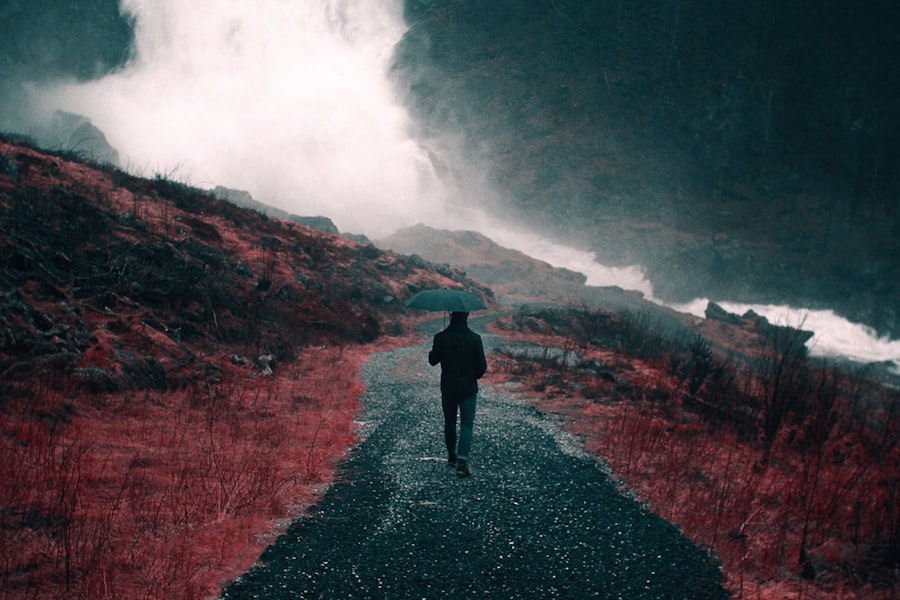
Snow presents its own unique set of challenges in animation, requiring a different approach than that used for rain. The depiction of snowfall involves not only the visual representation of snowflakes but also their interaction with the environment. Animators often utilize particle systems similar to those used for rain but must account for the distinct characteristics of snowflakes, which are typically larger and lighter than raindrops.
This necessitates adjustments in weight and buoyancy within the simulation to ensure that snowflakes drift gracefully to the ground. Moreover, animators must consider how snow accumulates on surfaces and how it affects the surrounding environment. For instance, snow-covered trees may bend under the weight of accumulated snow, while footprints may leave impressions on a snowy landscape.
These details require meticulous attention to ensure realism. Texturing also plays a crucial role; animators often use layered textures to depict varying depths of snow, capturing its soft, powdery appearance as well as its compacted forms. The interplay between light and shadow on snow can further enhance its realism, as sunlight glistens off fresh snow while shadows create depth in drifts.
Animated Storms: Using VFX and CGI to Create Dynamic Weather Patterns
Storms are among the most dramatic weather phenomena depicted in animation, offering opportunities for intense visual storytelling. The creation of animated storms involves a combination of VFX techniques that simulate wind, lightning, and precipitation. One effective method is to use volumetric rendering to create clouds that appear dynamic and alive.
By manipulating particle systems to generate swirling clouds and gusts of wind, animators can convey the chaotic nature of a storm. Lightning is another critical element that adds intensity to storm scenes. Animators often use fractal algorithms to create realistic lightning strikes that branch out unpredictably across the sky.
The illumination from lightning can also serve as a dramatic lighting source for characters and environments, casting stark shadows that heighten tension. Additionally, sound design plays an essential role in storm sequences; thunderous roars can amplify the sense of danger while rain pelting against surfaces adds to the immersive experience.
Environmental Design in Animation: Incorporating Weather into the Background
The integration of weather effects into environmental design is crucial for creating a cohesive animated world. Backgrounds must reflect the prevailing weather conditions to maintain continuity within a scene. For instance, a sunny day might feature vibrant colors and clear skies, while a rainy scene would necessitate darker tones and wet surfaces that reflect light differently.
This attention to detail helps ground the narrative in reality and enhances viewer engagement. Moreover, environmental design must account for how weather affects landscapes over time. For example, repeated rainfall can lead to erosion or changes in vegetation, while snow accumulation can alter the appearance of familiar settings.
Animators often collaborate with environmental artists to ensure that these elements are accurately represented. By incorporating weather into background design, animators create immersive worlds that feel alive and responsive to changing conditions.
The Impact of Weather on Character Animation: Emphasizing Realism

Weather effects significantly influence character animation by affecting how characters move and interact with their environment. For instance, characters walking through rain may exhibit different behaviors than those strolling on a sunny day; they might hunch their shoulders against the downpour or shake water from their hair after entering a building. These subtle movements contribute to character development and help convey emotions tied to specific weather conditions.
Additionally, clothing and accessories play a vital role in character animation during various weather scenarios. Characters dressed for winter must be animated with heavier movements as they navigate through snowdrifts or bundle up against biting winds. Conversely, characters in summer attire may exhibit lighter movements that reflect their comfort in warm conditions.
By considering these factors, animators can create more relatable characters whose actions resonate with audiences on an emotional level.
Challenges and Solutions in Creating Weather Effects in Animation
Despite advancements in technology, animating weather effects presents numerous challenges that require innovative solutions. One significant hurdle is achieving realism without overwhelming viewers with excessive detail or complexity. Striking a balance between stylization and realism is essential; too much detail can distract from character interactions or plot progression.
To address this issue, animators often employ techniques such as selective focus or depth of field to draw attention where it is most needed while allowing background elements like weather effects to enhance rather than dominate the scene. Another challenge lies in rendering performance; complex simulations for weather effects can be computationally intensive and time-consuming. To mitigate this issue, studios often utilize optimization techniques such as level-of-detail (LOD) management or baking simulations into textures where appropriate.
This allows for high-quality visuals without sacrificing performance or extending production timelines.
The Future of Weather Effects in Animation
As technology continues to evolve, so too will the methods used to create weather effects in animation. Emerging technologies such as real-time rendering engines and machine learning algorithms hold promise for further enhancing realism and efficiency in animated productions. These advancements may allow animators to simulate complex weather patterns dynamically while maintaining high frame rates and visual fidelity.
Moreover, as audiences become increasingly sophisticated in their expectations for animated content, there will be greater demand for nuanced portrayals of weather that reflect its multifaceted nature. The future of weather effects in animation will likely see an even deeper integration with storytelling elements, allowing creators to explore new narrative possibilities through innovative uses of environmental conditions. As animators continue to push boundaries and experiment with new techniques, the portrayal of weather will remain an essential aspect of animated storytelling that captivates audiences worldwide.
FAQs
What are weather effects in animation?
Weather effects in animation refer to the use of computer-generated imagery to create realistic depictions of weather phenomena such as rain, snow, storms, and fog in animated films, TV shows, and video games.
Why are weather effects important in animation?
Weather effects are important in animation because they add realism and depth to the visual storytelling. They help to create atmosphere, set the mood, and enhance the overall visual experience for the audience.
How are weather effects created in animation?
Weather effects in animation are created using specialized software and techniques such as particle systems, fluid simulations, and shader programming. These tools allow animators to generate realistic-looking rain, snow, storms, and other weather phenomena.
What are some common challenges in creating weather effects in animation?
Some common challenges in creating weather effects in animation include achieving realistic movement and behavior, integrating the effects seamlessly with the animated scenes, and optimizing the effects for performance and rendering efficiency.
What are some tips for creating realistic weather effects in animation?
Some tips for creating realistic weather effects in animation include studying real-world weather phenomena, paying attention to details such as lighting and environmental interactions, and using reference footage and images as a guide for creating the effects. Additionally, collaborating with other artists and seeking feedback can help improve the quality of the effects.