

As I delve into the fascinating journey of 3D holographic animation, I can’t help but marvel at how far we have come since the inception of this technology. The roots of holography can be traced back to the 1940s when physicist Dennis Gabor first introduced the concept. Initially, holography was a complex process that required intricate setups and specialized equipment.
However, as technology advanced, so did the methods of creating and displaying holograms. The introduction of lasers in the 1960s marked a significant turning point, allowing for clearer and more detailed holographic images. Fast forward to the 21st century, and I find myself in an era where 3D holographic animation has become more accessible and versatile.
The development of computer graphics and digital rendering techniques has revolutionized the way we create and manipulate holograms. Today, I can create stunning visual experiences that captivate audiences in ways that were once unimaginable. The integration of augmented reality (AR) and virtual reality (VR) technologies has further enhanced the capabilities of 3D holographic animation, allowing for immersive experiences that blend the digital and physical worlds seamlessly.
Key Takeaways
- 3D holographic animation has evolved from simple 2D images to lifelike, interactive holograms that can be viewed from multiple angles.
- Advantages of 3D holographic animation include its ability to create immersive and engaging experiences, capture audience attention, and convey complex information in a visually appealing manner.
- Applications of 3D holographic animation range from entertainment and advertising to medical imaging and education, offering a wide range of possibilities for creative and practical use.
- Challenges and limitations of 3D holographic animation include high production costs, technical constraints, and the need for specialized equipment to view holograms.
- Future trends in 3D holographic animation include advancements in technology, increased accessibility, and integration with virtual and augmented reality, shaping the way we interact with digital content.
Advantages of 3D Holographic Animation
One of the most compelling advantages of 3D holographic animation is its ability to present information in a visually engaging manner. As I explore this medium, I realize that it transcends traditional forms of communication by providing a three-dimensional perspective that captures attention and enhances understanding. Unlike flat images or videos, holograms can be viewed from multiple angles, allowing me to convey complex ideas more effectively.
This dynamic representation can lead to improved retention of information, making it an invaluable tool in various fields. Moreover, I appreciate how 3D holographic animation fosters creativity and innovation. The freedom to manipulate virtual objects in a three-dimensional space opens up endless possibilities for artistic expression.
I can experiment with shapes, colors, and movements in ways that would be impossible with conventional animation techniques. This flexibility not only enriches my creative process but also encourages collaboration among artists, designers, and technologists, leading to groundbreaking projects that push the boundaries of what is possible.
Applications of 3D Holographic Animation

As I consider the diverse applications of 3D holographic animation, I am struck by its versatility across various industries. In the realm of entertainment, for instance, I have witnessed how holograms have transformed live performances. Artists can now project lifelike representations of themselves or even collaborate with virtual avatars on stage, creating a unique experience for audiences.
This innovative approach not only enhances the visual spectacle but also allows for storytelling that transcends physical limitations. In addition to entertainment, I recognize the significant impact of 3D holographic animation in fields such as healthcare and architecture. In medical training, for example, I can utilize holograms to simulate complex surgical procedures, providing students with a hands-on learning experience without the risks associated with real-life operations.
Similarly, architects can use holographic models to present their designs in a more interactive manner, allowing clients to visualize spaces before they are built. These applications highlight how 3D holographic animation is not just a novelty but a powerful tool for education and professional development.
Challenges and Limitations of 3D Holographic Animation
Despite the numerous advantages of 3D holographic animation, I am acutely aware of the challenges and limitations that accompany this technology. One significant hurdle is the cost associated with creating high-quality holograms. The equipment required for production can be prohibitively expensive, making it difficult for smaller studios or independent creators to enter the market.
Additionally, the technical expertise needed to produce compelling holographic content can be a barrier for many aspiring animators. Another challenge lies in the viewer experience. While holograms offer a unique visual perspective, not all audiences have access to the necessary technology to fully appreciate them.
For instance, specialized displays or headsets may be required to view certain holographic content effectively. This limitation can hinder widespread adoption and restrict the reach of 3D holographic animation in various sectors. As I reflect on these challenges, I recognize that addressing them will be crucial for the continued growth and acceptance of this innovative medium.
Future Trends in 3D Holographic Animation
Looking ahead, I am excited about the future trends shaping the landscape of 3D holographic animation. One notable development is the increasing integration of artificial intelligence (AI) into the creation process. As AI technologies advance, I foresee a future where algorithms can assist in generating realistic animations and optimizing rendering processes.
This could significantly reduce production time and costs while enhancing the overall quality of holographic content. Additionally, I anticipate that advancements in display technology will play a pivotal role in making 3D holographic animation more accessible to a broader audience. Innovations such as light field displays and volumetric projection systems promise to deliver high-quality holograms without the need for specialized equipment.
As these technologies become more mainstream, I believe we will witness a surge in creative applications across various industries, further solidifying the place of 3D holographic animation in our daily lives.
Impact of 3D Holographic Animation on Entertainment Industry
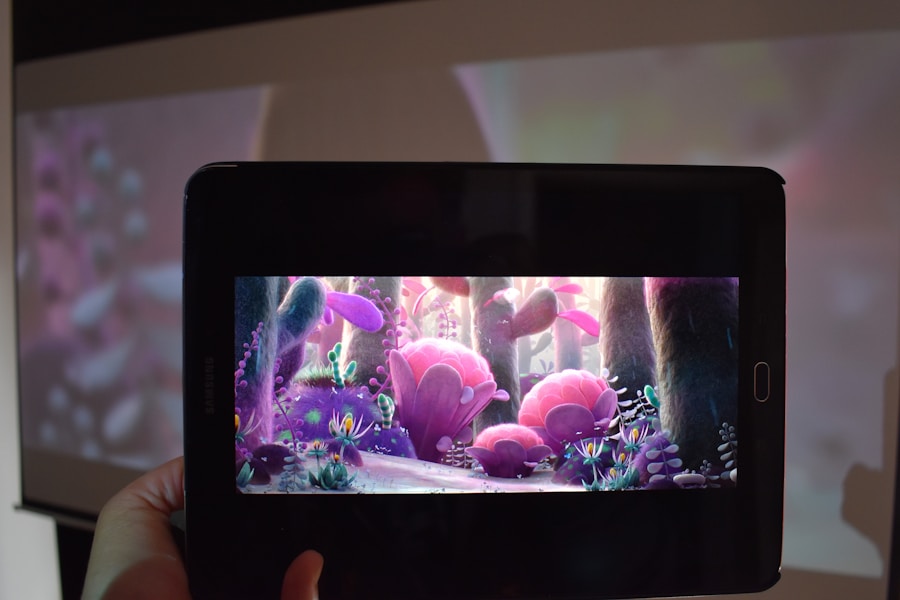
Immersive Experiences Redefined
Artists are now able to create immersive experiences that blend music, visuals, and storytelling in ways that captivate audiences like never before. Holographic projections can transport viewers into fantastical worlds or bring historical figures back to life on stage, creating unforgettable moments that resonate long after the performance ends.
New Avenues for Content Creation
I see how 3D holographic animation has opened new avenues for content creation in film and television. Filmmakers can utilize holograms to create stunning visual effects that enhance storytelling without relying solely on CGI or practical effects. This not only elevates the cinematic experience but also allows for greater creative freedom in crafting narratives that push boundaries.
A Transformative Force in Entertainment
As I reflect on these developments, it becomes clear that 3D holographic animation is not just a trend; it is a transformative force reshaping how we experience entertainment.
The Role of 3D Holographic Animation in Education and Training
In my exploration of 3D holographic animation’s role in education and training, I am struck by its potential to revolutionize traditional learning methods. The ability to visualize complex concepts in three dimensions can significantly enhance comprehension and retention among students. For instance, in subjects like biology or physics, I can use holograms to illustrate intricate processes or structures that would be challenging to grasp through textbooks alone.
This interactive approach fosters engagement and curiosity, making learning a more dynamic experience. Furthermore, I recognize how 3D holographic animation can bridge gaps in professional training across various fields. In industries such as aviation or medicine, realistic simulations allow trainees to practice skills in a safe environment before applying them in real-world scenarios.
This hands-on experience not only builds confidence but also prepares individuals for challenges they may encounter in their careers. As I consider these applications, it becomes evident that integrating 3D holographic animation into educational frameworks has the potential to reshape how we teach and learn.
The Potential of 3D Holographic Animation
As I conclude my exploration of 3D holographic animation, I am filled with optimism about its potential to transform various aspects of our lives. From entertainment to education, this innovative medium offers unique opportunities for creativity and engagement that were once unimaginable. While challenges remain in terms of accessibility and cost, ongoing advancements in technology promise to address these issues and pave the way for broader adoption.
Ultimately, I believe that 3D holographic animation represents not just a technological advancement but a new frontier for human expression and communication. As I look toward the future, I am excited to witness how this medium will continue to evolve and inspire new generations of creators and innovators. The possibilities are endless, and I am eager to see how we will harness the power of 3D holographic animation to enrich our experiences and connect with one another in meaningful ways.
FAQs
What is 3D holographic animation?
3D holographic animation is a technique that creates three-dimensional moving images that appear to be floating in space without the need for special glasses or equipment. It uses a combination of light, motion, and perspective to create the illusion of depth and movement.
How does 3D holographic animation work?
3D holographic animation works by projecting light onto a specially designed surface or using a holographic display to create the illusion of three-dimensional images. The animation is created using computer-generated graphics or filmed content that is then processed to appear as a hologram.
What are the applications of 3D holographic animation?
3D holographic animation has a wide range of applications, including advertising, entertainment, education, and live events. It can be used to create immersive experiences, interactive displays, and eye-catching visual effects.
What are the benefits of 3D holographic animation?
Some of the benefits of 3D holographic animation include its ability to captivate and engage audiences, create memorable experiences, and convey information in a visually compelling way. It also has the potential to revolutionize the way content is presented and consumed.
Is 3D holographic animation the future of immersive content?
Many experts believe that 3D holographic animation has the potential to become a major part of the future of immersive content. Its ability to create lifelike and interactive experiences makes it a promising technology for a wide range of industries.