

The concept of virtual production has undergone a remarkable transformation since its inception, evolving from rudimentary techniques to sophisticated methodologies that redefine the filmmaking landscape. Initially, filmmakers relied heavily on traditional green screen technology, which allowed for the integration of computer-generated imagery (CGI) into live-action footage. However, this approach often resulted in a disjointed visual experience, as actors performed against a blank canvas, making it challenging to create a seamless blend between real and virtual elements.
The limitations of early CGI and the labor-intensive post-production processes often hampered the creative vision of directors and producers. As technology advanced, so did the techniques employed in virtual production. The introduction of motion capture technology marked a significant turning point, enabling filmmakers to capture the nuances of an actor’s performance in real-time.
This innovation allowed for a more immersive experience, as actors could interact with digital environments while still on set. The advent of LED wall technology further revolutionized the field, allowing for dynamic backgrounds that could change in real-time based on camera movements. This not only enhanced the visual fidelity of the final product but also provided actors with a more engaging environment, fostering authentic performances.
The evolution of virtual production has thus been characterized by a continuous quest for greater realism and interactivity, paving the way for a new era in filmmaking.
Key Takeaways
- Virtual production has evolved from traditional filmmaking techniques to incorporate real-time animation and Unreal Engine technology.
- Real-time animation is shaping the future of filmmaking by allowing filmmakers to create and manipulate digital environments and characters in real time.
- Unreal Engine is revolutionizing virtual production by providing advanced tools for creating high-quality, immersive virtual worlds and characters.
- Virtual production has had a significant impact on filmmaking, allowing for greater creative freedom, cost efficiency, and flexibility in production.
- Virtual production studios are on the rise, offering state-of-the-art facilities and technology for filmmakers to create immersive and realistic virtual environments.
Real-Time Animation: The Future of Filmmaking
Streamlined Production and Enhanced Creativity
The immediacy of real-time animation not only accelerates production workflows but also unlocks new creative possibilities for filmmakers. With the ability to make on-the-fly changes, directors can experiment with different ideas and explore new narrative paths.
Interactive Storytelling and Immersive Experiences
Real-time animation also enables the creation of interactive narratives, where audience choices influence the direction of the story. This interactivity is particularly compelling in genres such as horror or adventure, where viewer engagement is crucial. By integrating real-time animation into their projects, filmmakers can craft experiences that resonate with audiences on a deeper level, blurring the lines between traditional cinema and interactive media.
The Future of Filmmaking
As real-time animation technology continues to evolve, it is poised to redefine the very essence of filmmaking, making it more dynamic and responsive to audience preferences. This paradigm shift has the potential to transform the film industry, enabling filmmakers to create more engaging, immersive, and interactive experiences that captivate audiences worldwide.
Unreal Engine: Revolutionizing Virtual Production
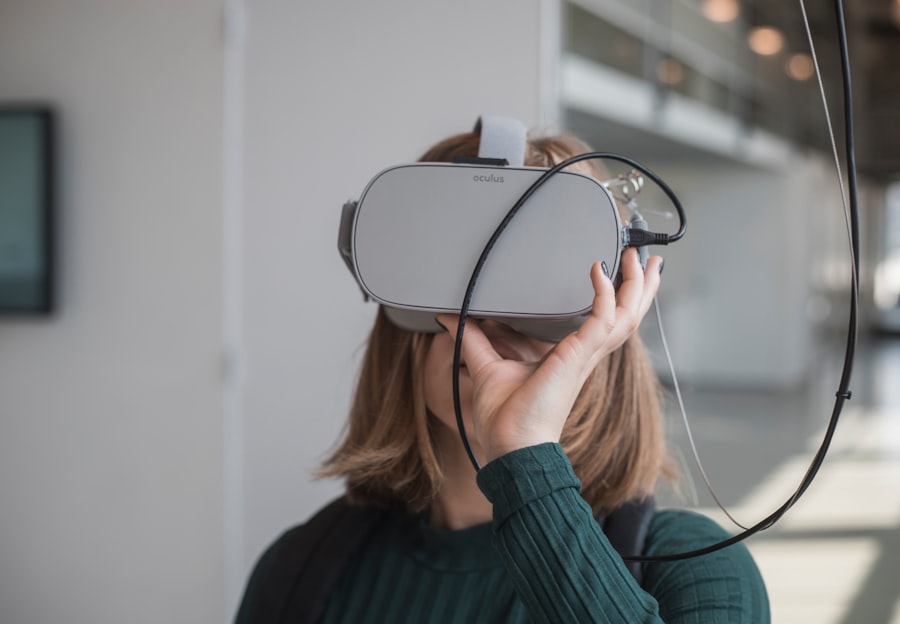
Unreal Engine has emerged as a cornerstone of virtual production, fundamentally altering how filmmakers approach their craft. Originally developed as a game engine, Unreal Engine has transcended its gaming roots to become a powerful tool for creating immersive cinematic experiences. Its ability to render high-quality graphics in real-time has made it an invaluable asset for filmmakers seeking to push the boundaries of visual storytelling.
With features such as photorealistic rendering, advanced lighting systems, and robust physics simulations, Unreal Engine empowers creators to visualize their ideas with unprecedented clarity and detail. One of the most significant contributions of Unreal Engine to virtual production is its integration with LED wall technology. By utilizing large-scale LED screens that display dynamic backgrounds generated by Unreal Engine, filmmakers can create realistic environments that respond to camera movements in real-time.
This synergy allows for seamless blending of live-action footage and digital elements, resulting in a more cohesive visual narrative. Additionally, Unreal Engine’s versatility enables filmmakers to experiment with various styles and aesthetics, from hyper-realistic landscapes to stylized animations. As more studios adopt Unreal Engine for their projects, it is clear that this technology is not just a trend but a fundamental shift in how films are produced.
The Impact of Virtual Production on Filmmaking
The impact of virtual production on filmmaking extends far beyond technical advancements; it fundamentally alters the creative process itself. By enabling filmmakers to visualize complex scenes before they are shot, virtual production allows for more informed decision-making during pre-production. Directors can experiment with different camera angles, lighting setups, and visual effects without the constraints of traditional filming methods.
This flexibility fosters a more collaborative atmosphere among crew members, as everyone can contribute ideas and feedback based on real-time visualizations. Furthermore, virtual production has democratized access to high-quality filmmaking tools. Independent filmmakers and smaller studios can now leverage technologies that were once exclusive to major studios with substantial budgets.
With affordable software like Unreal Engine and accessible hardware options for LED walls, aspiring creators can produce visually stunning content without breaking the bank. This shift not only encourages innovation but also diversifies the types of stories being told in Hollywood, as more voices gain access to the tools necessary for bringing their visions to life.
The Rise of Virtual Production Studios
As virtual production gains traction within the industry, specialized studios dedicated to this innovative approach are emerging across Hollywood and beyond. These studios are equipped with cutting-edge technology that facilitates the seamless integration of live-action and digital elements. By providing filmmakers with access to advanced tools such as motion capture systems, LED walls, and real-time rendering software, these studios are becoming essential partners in the filmmaking process.
The rise of virtual production studios has also led to new business models within the industry. Traditional studios are increasingly collaborating with these specialized facilities to enhance their productions while reducing costs associated with location shooting and extensive post-production work. For instance, studios like Industrial Light & Magic (ILM) have established dedicated virtual production divisions that focus on creating immersive environments for blockbuster films.
This collaboration not only streamlines workflows but also fosters innovation as studios experiment with new techniques and technologies that push the boundaries of visual storytelling.
The Role of Virtual Production in Blockbuster Films

Virtual production has become an integral component of many blockbuster films, allowing filmmakers to create visually stunning worlds that captivate audiences worldwide. One notable example is “The Mandalorian,” which utilized groundbreaking virtual production techniques to bring its expansive universe to life. The series employed LED wall technology combined with Unreal Engine to create immersive environments that changed dynamically based on camera movements.
This approach not only enhanced the visual quality of the series but also allowed actors to perform in realistic settings without the need for extensive green screen work. Another significant example is “Avatar: The Way of Water,” which leveraged virtual production techniques to create its underwater sequences. By utilizing motion capture technology and real-time rendering, filmmakers were able to capture intricate performances from actors while simulating complex underwater environments.
This innovative approach not only saved time during production but also resulted in breathtaking visuals that pushed the boundaries of what was previously thought possible in filmmaking. As more blockbuster films embrace virtual production methods, it is evident that this technology is reshaping the landscape of high-budget cinema.
The Advantages and Challenges of Virtual Production
While virtual production offers numerous advantages, it is not without its challenges. One of the primary benefits is the ability to visualize complex scenes in real-time, allowing for greater creative freedom during filming. Filmmakers can experiment with different elements on set without waiting for lengthy post-production processes, leading to more dynamic storytelling.
Additionally, virtual production reduces costs associated with location shooting and extensive set construction, making it an attractive option for studios looking to maximize their budgets. However, there are challenges that come with this innovative approach as well. The reliance on technology means that filmmakers must possess a certain level of technical expertise to fully leverage virtual production tools effectively.
This can create a steep learning curve for those accustomed to traditional filmmaking methods. Furthermore, while virtual environments can be incredibly realistic, they may lack the organic feel that comes from shooting on location or using practical effects. Striking a balance between digital and physical elements remains a critical consideration for filmmakers navigating this new landscape.
The Future of Virtual Production: What to Expect in Hollywood
Looking ahead, the future of virtual production in Hollywood appears bright and full of potential. As technology continues to advance at an unprecedented pace, filmmakers will have access to even more sophisticated tools that enhance their storytelling capabilities. Innovations such as artificial intelligence-driven animation and enhanced motion capture systems are likely to become commonplace, further blurring the lines between reality and digital creation.
Moreover, as audiences increasingly seek immersive experiences, virtual production will play a pivotal role in shaping the next generation of entertainment. The integration of augmented reality (AR) and virtual reality (VR) into mainstream filmmaking could redefine how stories are told and experienced by viewers. Filmmakers may explore interactive narratives that allow audiences to engage with characters and plotlines in ways previously thought impossible.
In conclusion, virtual production is not merely a trend; it represents a fundamental shift in how films are made and experienced. As Hollywood embraces these advancements, we can expect an exciting future where creativity knows no bounds and storytelling reaches new heights through innovative technologies.
FAQs
What is virtual production?
Virtual production is a filmmaking technique that combines live-action footage with computer-generated imagery (CGI) in real time. It allows filmmakers to see the CGI elements integrated with the live-action footage as they are filming, providing more creative control and flexibility in the production process.
How is virtual production changing Hollywood?
Virtual production is revolutionizing the way films are made in Hollywood by streamlining the production process, reducing costs, and allowing for more creative freedom. It has also opened up new possibilities for storytelling and visual effects, leading to a surge in the use of virtual production techniques in the industry.
What are the benefits of virtual production for filmmakers?
Virtual production offers several benefits for filmmakers, including the ability to visualize and manipulate CGI elements in real time, reducing the need for extensive post-production work, and creating a more immersive and interactive filmmaking experience.
What are some examples of films that have used virtual production techniques?
Several high-profile films have utilized virtual production techniques, including “The Mandalorian,” “The Lion King,” and “Avatar.” These films have demonstrated the potential of virtual production to create visually stunning and immersive cinematic experiences.
What are the challenges of virtual production?
While virtual production offers many benefits, it also presents challenges such as the need for specialized technology and expertise, potential limitations in creative flexibility, and the integration of virtual production techniques with traditional filmmaking processes. Filmmakers must also consider the impact of virtual production on the roles of actors and crew members.