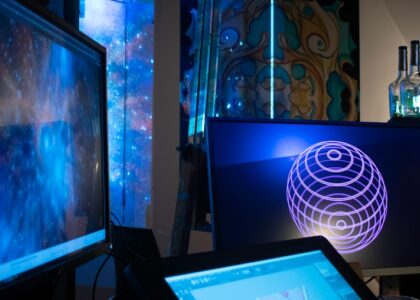
As I reflect on the evolution of live events, it’s clear that augmented reality (AR) has emerged as a transformative force in the entertainment industry. The rise of AR-enhanced live events has been nothing short of revolutionary, reshaping how we experience concerts, festivals, and performances. I remember attending a concert where the visuals were not just limited to the stage but extended into the audience, creating a captivating environment that blurred the lines between reality and digital artistry.
This integration of AR technology has allowed event organizers to create immersive experiences that engage audiences in ways previously thought impossible. The surge in AR-enhanced live events can be attributed to several factors, including advancements in technology and the growing demand for unique experiences. As I delve deeper into this phenomenon, I realize that audiences are no longer satisfied with traditional performances; they crave interactivity and innovation.
The ability to incorporate AR elements into live shows has opened up a new realm of possibilities for artists and event planners alike. From holographic displays to interactive visuals that respond to audience movements, AR is redefining what it means to attend a live event.
Key Takeaways
- AR technology is revolutionizing live events by enhancing the visual experience for audiences.
- Concert visuals are being transformed through AR, creating immersive and interactive experiences for concert-goers.
- AR is significantly impacting audience engagement by providing unique and personalized experiences at live events.
- The role of AR in creating immersive concert experiences is becoming increasingly important for artists and event organizers.
- AR has the potential to enhance artist performances by adding a new layer of creativity and interactivity to live shows.
How AR Technology is Transforming Concert Visuals
Immersive Storytelling
I recall a recent concert where the artist used AR to project a virtual landscape that changed with each song, immersing the audience in a narrative that complemented the music. This seamless integration of visuals and sound transformed the concert into a storytelling experience.
Interactive Performances
AR technology allows for real-time interaction between performers and their digital environments. I’ve seen artists engage with virtual elements on stage, creating a dynamic interplay that captivates audiences. For instance, during one performance, an artist reached out to touch a virtual object that appeared on stage, and the audience gasped as it seemed to respond to their movements.
A Deeper Connection
This level of interactivity not only enhances the visual spectacle but also fosters a deeper connection between the artist and the audience, making each performance feel unique and personal.
The Impact of AR on Audience Engagement
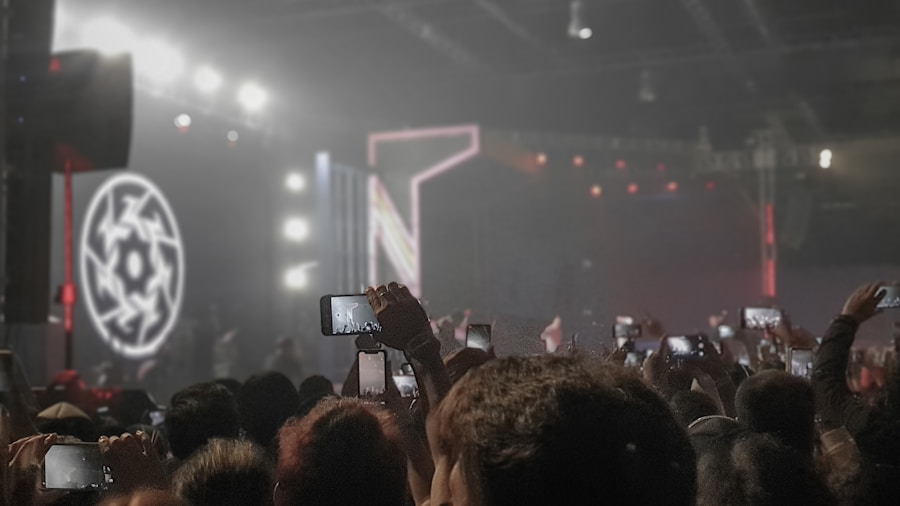
As I explore the impact of AR on audience engagement, I find myself fascinated by how it transforms passive spectators into active participants. In traditional concerts, audiences often remain seated, merely observing the performance. However, with AR technology, I’ve witnessed how audiences are encouraged to interact with their surroundings.
For example, at one festival, attendees were given AR glasses that allowed them to see additional layers of visuals overlaid on the stage. This interactive experience not only heightened their engagement but also created a sense of community as they shared their reactions with one another. Furthermore, AR has the potential to personalize experiences for individual audience members.
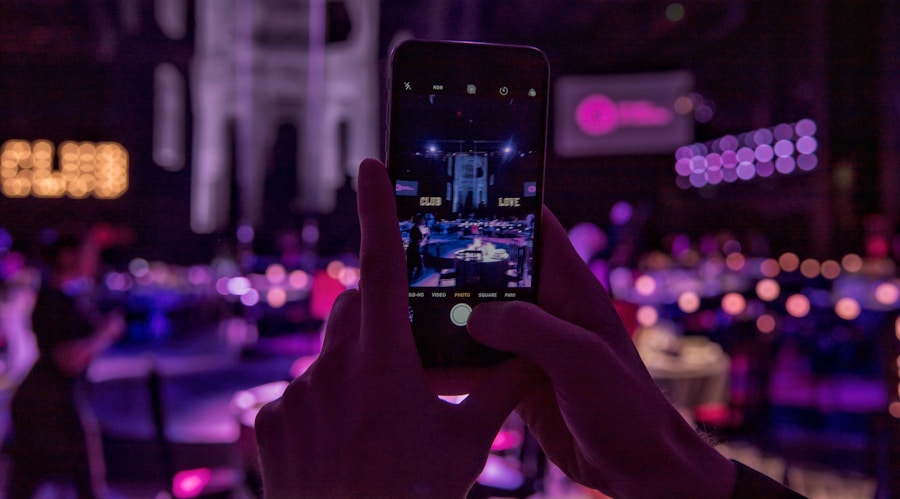
I remember attending an event where my smartphone was used to access exclusive AR content tailored to my preferences. As I scanned my surroundings, I was greeted with unique visuals and information about the artists performing that night. This level of personalization not only enhances my enjoyment but also fosters a deeper connection to the event itself.
By leveraging AR technology, event organizers can create memorable experiences that resonate with each attendee on a personal level.
The Role of AR in Creating Immersive Concert Experiences
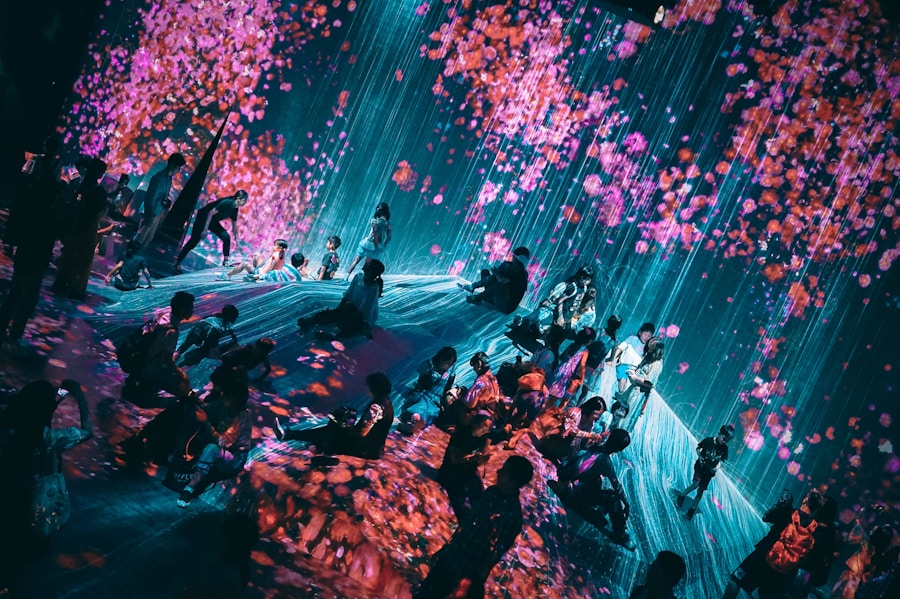
Immersive experiences have become a hallmark of modern live events, and AR plays a pivotal role in achieving this goal. As I reflect on my own experiences at concerts enhanced by AR, I realize how these technologies transport me into entirely new worlds. During one unforgettable show, I was surrounded by swirling galaxies and vibrant landscapes that seemed to come alive around me.
The combination of music and AR visuals created an atmosphere that was both exhilarating and surreal. The ability to create immersive environments through AR also allows artists to express their creativity in unprecedented ways. I’ve seen performances where the stage itself transformed into a living canvas, with visuals that evolved in sync with the music.
This synergy between sound and sight creates an emotional resonance that lingers long after the concert ends. As I consider the future of live events, it’s clear that AR will continue to play a crucial role in crafting these immersive experiences that captivate audiences and leave lasting impressions.
The Potential for AR to Enhance Artist Performances
As an avid concert-goer, I’ve always been intrigued by how technology can enhance an artist’s performance. With AR, artists have an incredible opportunity to elevate their shows beyond mere musical presentations. I’ve witnessed performances where artists seamlessly integrated AR elements into their acts, creating a visual narrative that complemented their music.
This synergy not only enhances the overall experience but also allows artists to express their artistic vision in innovative ways. Moreover, AR can serve as a powerful storytelling tool for artists. I recall attending a concert where the artist used AR to depict a journey through different emotions and experiences, visually representing the themes of their album.
This added layer of storytelling transformed the performance into an emotional journey for both the artist and the audience. By leveraging AR technology, artists can create performances that resonate on a deeper level, allowing them to connect with their fans in ways that transcend traditional concert experiences.
Challenges and Opportunities in Implementing AR at Live Events
Technical Glitches and Logistical Challenges
Additionally, there is always the risk of technical glitches during live performances, which can disrupt the flow of the show and detract from the overall experience. However, these challenges also present opportunities for innovation and growth within the industry.
Advancements in AR Technology and Growing Demand
As technology continues to advance, I believe we will see more robust solutions that address these issues head-on. Event organizers are increasingly investing in high-quality AR systems that can deliver immersive experiences without compromising reliability. Furthermore, as audiences become more familiar with AR technology, there will be greater demand for its integration into live events, pushing artists and organizers to explore new creative avenues.
A Future of Immersive Experiences
The Future of AR-Enhanced Live Events: What to Expect
Looking ahead, I am excited about the future of AR-enhanced live events and what they hold for both artists and audiences alike. As technology continues to evolve at a rapid pace, I anticipate even more sophisticated applications of AR in live performances. Imagine attending a concert where holographic projections interact with performers in real-time or where audience members can influence visuals through their movements or choices.
The possibilities are endless, and I can’t help but feel a sense of anticipation for what’s to come. Moreover, as more artists embrace AR technology, we may witness a shift in how concerts are conceptualized and produced. I envision a future where collaborations between musicians and technologists become commonplace, resulting in groundbreaking performances that challenge traditional notions of live entertainment.
As I think about this future landscape, it’s clear that AR will play an integral role in shaping the next generation of live events.
The Evolution of Concert Visuals Through AR Technology
In reflecting on my journey through the world of live events enhanced by AR technology, I am struck by how far we have come in terms of concert visuals. From simple lighting effects to complex digital landscapes that interact with performers and audiences alike, the evolution has been remarkable. Each concert I attend feels like a glimpse into the future of entertainment—a future where creativity knows no bounds.
As I look back on my experiences at various concerts over the years, it’s evident that AR has redefined what we expect from live performances. The integration of augmented reality has not only enhanced visual aesthetics but has also transformed how we connect with music and artists. With each passing year, I find myself more excited about what lies ahead in this ever-evolving landscape of live events—where technology and artistry converge to create unforgettable experiences for all who attend.
FAQs
What are AR-enhanced live events?
AR-enhanced live events are live performances or concerts that incorporate augmented reality (AR) technology to enhance the visual experience for the audience. This technology overlays digital content onto the real world, creating interactive and immersive visuals that can be experienced through a mobile device or AR glasses.
How does AR technology enhance concert visuals?
AR technology enhances concert visuals by adding digital elements such as 3D animations, special effects, interactive graphics, and virtual objects to the live performance. These elements can be synchronized with the music and the movements of the performers, creating a dynamic and engaging visual experience for the audience.
What are the benefits of AR-enhanced live events for concert-goers?
AR-enhanced live events offer concert-goers a more immersive and interactive experience, allowing them to engage with the performance in new and exciting ways. The technology can also create a sense of connection between the audience and the performers, as well as provide a unique and memorable visual spectacle.
How is AR technology integrated into live events?
AR technology is integrated into live events through the use of specialized software and hardware. This can include AR-enabled mobile apps, AR glasses, or projection mapping technology. The content is often created by digital artists and designers who work closely with the event organizers and performers to develop a visually stunning and cohesive experience.
What is the future of AR-enhanced live events?
The future of AR-enhanced live events is promising, with the potential for even more advanced and interactive experiences. As AR technology continues to evolve, we can expect to see more seamless integration of digital and physical elements, as well as new ways for audiences to participate in and personalize their concert visuals.