As I delve into the world of animation, I find myself increasingly fascinated by the role artificial intelligence (AI) plays in shaping this vibrant industry. The integration of AI into animation jobs is not merely a trend; it represents a seismic shift in how we create, produce, and distribute animated content. From enhancing visual effects to automating tedious tasks, AI is revolutionizing the animation landscape, offering both exciting opportunities and daunting challenges.
As I explore this intersection of technology and creativity, I am compelled to consider how these advancements will redefine my role as an animator and the broader industry. The animation field has always been a blend of artistry and technology, but the advent of AI has introduced a new layer of complexity. With tools that can generate lifelike characters, simulate environments, and even assist in storytelling, I find myself at a crossroads.
On one hand, AI can streamline processes and enhance creativity; on the other, it raises questions about the future of traditional animation techniques and the very essence of what it means to be an animator. As I navigate this evolving landscape, I am eager to understand how AI will shape my career and the opportunities that lie ahead.
Key Takeaways
- AI is revolutionizing the animation industry by streamlining production processes and creating new opportunities for animators.
- Traditional animation techniques are being impacted by AI, leading to faster and more efficient production methods.
- The role of animators is evolving with the integration of AI, requiring them to adapt to new tools and workflows.
- AI-generated animation is on the rise, offering cost-effective solutions for repetitive tasks and generating new creative possibilities.
- Freelancers in the animation industry must embrace AI and adapt to new technologies to stay competitive and relevant in the evolving landscape.
The Impact of AI on Traditional Animation Techniques
As I reflect on traditional animation techniques, I realize how deeply rooted they are in manual artistry and painstaking attention to detail. Techniques like hand-drawn animation or stop-motion require immense skill and dedication, often taking months or even years to perfect a single project. However, with the rise of AI, I see a shift in how these techniques are being approached.
AI tools can now assist in creating smoother animations, reducing the time spent on repetitive tasks such as in-betweening or coloring. This not only enhances efficiency but also allows me to focus more on the creative aspects of my work. Moreover, AI’s ability to analyze vast amounts of data means it can learn from existing animations and suggest improvements or variations that I might not have considered.
This capability opens up new avenues for experimentation and innovation in my projects. For instance, AI can help me explore different styles or techniques that align with my vision while providing insights into what resonates with audiences. However, I also grapple with the concern that reliance on AI could dilute the authenticity of traditional methods that have defined animation for generations.
How AI is Changing the Role of Animators
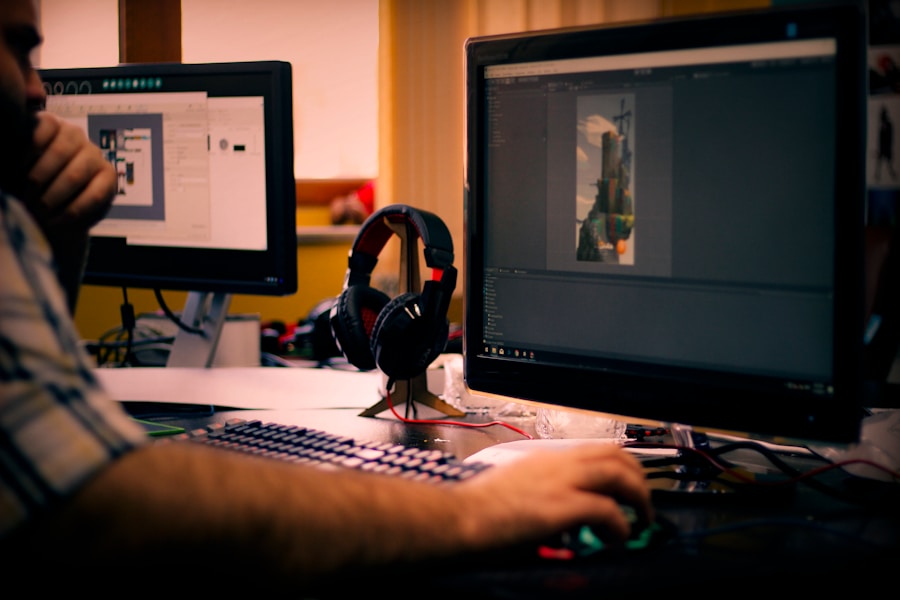
As I observe the evolving role of animators in this AI-driven landscape, I recognize that my responsibilities are shifting. No longer am I solely tasked with creating animations from scratch; I now find myself collaborating with AI tools that can enhance my workflow. This partnership allows me to leverage technology to produce higher-quality work in less time.
For example, AI can assist in generating character movements based on pre-set parameters, freeing me to focus on storytelling and character development. However, this transformation also requires me to adapt my skill set. I must now become proficient in using AI software and understanding its capabilities to maximize its potential in my projects.
This shift means that animators like me are evolving into hybrid professionals who blend artistic talent with technological expertise. While this may seem daunting, I view it as an opportunity to expand my creative toolkit and explore new dimensions of storytelling that were previously unattainable.
The Rise of AI-Generated Animation
The emergence of AI-generated animation is a phenomenon that captivates my imagination. With algorithms capable of producing entire animated sequences based on minimal input, I find myself both intrigued and challenged by this development. The ability for AI to generate animations quickly and efficiently raises questions about originality and authorship in the creative process.
As I witness AI creating compelling narratives and visuals, I ponder how this technology will coexist with human creativity. While some may fear that AI-generated content could overshadow traditional animation, I see it as a complementary force. AI can serve as a powerful tool for brainstorming ideas or generating rough drafts that I can refine and personalize.
This collaborative approach allows me to harness the strengths of both human intuition and machine efficiency. However, it also compels me to consider how I can differentiate my work in an increasingly automated landscape, ensuring that my unique voice remains prominent amidst the rise of AI-generated content.
The Future of Freelancing in Animation with AI
As a freelancer in the animation industry, I am acutely aware of how AI is reshaping the landscape of freelance opportunities. The demand for quick turnaround times and high-quality content has never been greater, and AI tools can help me meet these expectations. By automating certain aspects of my workflow, I can take on more projects without sacrificing quality, ultimately expanding my client base and increasing my income potential.
However, this shift also means that competition is intensifying. With more animators adopting AI tools, standing out in a crowded market requires me to continuously refine my skills and adapt to new technologies. Freelancers who embrace AI as an ally rather than a threat will likely find themselves at an advantage.
By leveraging these tools effectively, I can position myself as a forward-thinking animator who is not only skilled in traditional techniques but also adept at navigating the complexities of an AI-enhanced industry.
The Challenges and Opportunities for Freelancers in the AI Era

While the integration of AI into animation presents numerous opportunities for freelancers like me, it also brings forth significant challenges. One major concern is the potential for job displacement as automation becomes more prevalent. As AI tools become capable of performing tasks traditionally handled by animators, I worry about how this will impact job security within the industry.
It is essential for me to stay informed about industry trends and continuously adapt my skill set to remain relevant. On the flip side, I recognize that these challenges also present opportunities for growth and innovation. The ability to harness AI tools can lead to increased efficiency and creativity in my work.
By embracing change and being open to learning new technologies, I can carve out a niche for myself in this evolving landscape. Additionally, as clients seek animators who can effectively integrate AI into their projects, those of us who are willing to adapt will likely find ourselves in high demand.
The Importance of Adaptability and Learning New Skills for Freelancers
In this rapidly changing environment, adaptability has become a crucial trait for freelancers like me. The animation industry is evolving at an unprecedented pace due to advancements in technology, particularly with AI at the forefront. To thrive in this landscape, I must be willing to embrace change and continuously learn new skills that align with emerging trends.
This might involve taking courses on AI software or exploring new animation techniques that incorporate machine learning. Moreover, adaptability extends beyond technical skills; it also encompasses a mindset shift. As I navigate this new terrain, I must remain open to collaboration with AI tools while retaining my unique artistic voice.
This balance between leveraging technology and maintaining creativity is essential for success in an industry where innovation is key. By fostering a growth mindset and being proactive about learning, I can position myself as a versatile animator ready to tackle whatever challenges come my way.
Embracing AI in the Freelance Animation Industry
As I conclude my exploration of AI’s impact on the freelance animation industry, I am filled with a sense of optimism about the future. While challenges undoubtedly lie ahead—such as job displacement concerns and increased competition—I believe that embracing AI as a tool rather than viewing it as a threat will be pivotal for my success. By integrating AI into my workflow, I can enhance my creativity, streamline processes, and ultimately deliver higher-quality work to clients.
The key lies in adaptability and continuous learning; by staying informed about technological advancements and honing my skills accordingly, I can navigate this evolving landscape with confidence. As I look ahead, I am excited about the possibilities that lie within this intersection of art and technology. Embracing AI not only empowers me as an animator but also opens doors to new forms of storytelling that can captivate audiences in ways we have yet to imagine.
In this dynamic era of animation, I am ready to embrace change and harness the power of AI to shape my future in this vibrant industry.
FAQs
What is freelancing in the context of animation jobs?
Freelancing in animation jobs refers to working as an independent contractor or self-employed individual, providing animation services to clients on a project basis, rather than being employed by a single company.
How is AI changing the landscape of animation jobs for freelancers in 2025?
AI is changing the landscape of animation jobs for freelancers in 2025 by automating repetitive tasks, such as in-betweening and coloring, which allows freelancers to focus on more creative aspects of animation production. AI also enables freelancers to access advanced tools for character animation and special effects, improving the quality and efficiency of their work.
What are the benefits of AI for freelancers in the animation industry?
The benefits of AI for freelancers in the animation industry include increased productivity, improved quality of work, access to advanced animation tools, and the ability to take on more complex projects. AI also allows freelancers to compete in a global marketplace and collaborate with clients and other freelancers remotely.
What are the potential challenges of AI for freelancers in the animation industry?
Potential challenges of AI for freelancers in the animation industry include the need to adapt to new technologies and workflows, potential job displacement for certain tasks, and the need to continuously update skills to stay competitive in the evolving industry. Additionally, there may be concerns about the ethical use of AI in animation production.
How can freelancers in the animation industry prepare for the impact of AI in 2025?
Freelancers in the animation industry can prepare for the impact of AI in 2025 by staying updated on the latest AI tools and technologies, continuously improving their animation skills, and seeking opportunities to collaborate with AI developers and experts. It’s also important for freelancers to adapt to changing client expectations and market demands influenced by AI advancements.