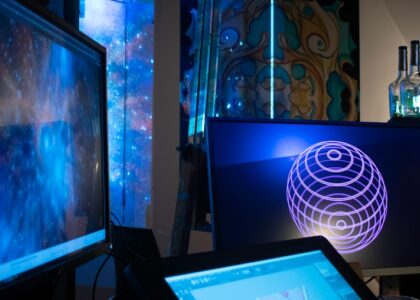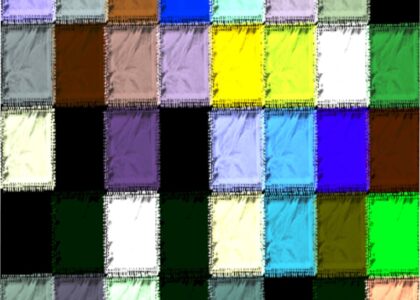
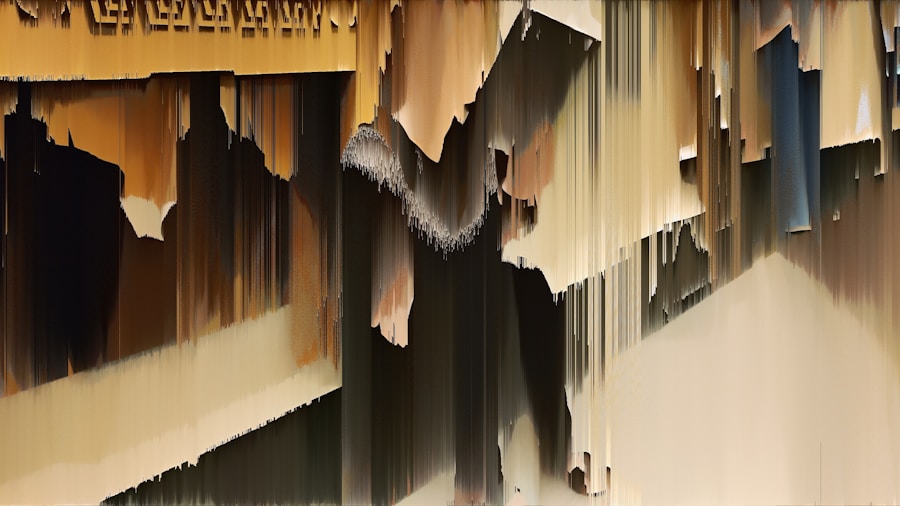
As I delve into the fascinating realm of Glitch Art 2.0, I find myself captivated by the intersection of technology and creativity. Glitch art, which emerged in the early 2000s, is a form of digital art that embraces the aesthetic of errors and malfunctions in digital media. It celebrates the unexpected beauty that arises from corrupted files, broken code, and digital mishaps.
In this new iteration, Glitch Art 2.0, I see a significant evolution driven by advancements in artificial intelligence (AI). This evolution not only enhances the visual language of glitch art but also expands its conceptual boundaries. In my exploration of Glitch Art 2.0, I recognize that it is not merely a continuation of its predecessor but a transformative movement that incorporates AI as a fundamental tool.
The integration of AI technologies has opened up new avenues for artists, allowing them to push the limits of creativity and redefine what glitch art can be. As I reflect on this evolution, I am excited to witness how artists are harnessing AI to create works that challenge traditional notions of authorship, originality, and the very essence of art itself.
Key Takeaways
- Glitch Art 2.0 is an evolution of traditional glitch art, incorporating AI technology to create digital distortions and visual anomalies.
- AI plays a significant role in glitch art by automating the process of generating digital distortions, allowing for more complex and intricate results.
- AI generates digital distortion in glitch art by manipulating and altering digital data, introducing errors and anomalies to create unique visual effects.
- AI-generated glitch art has made a significant impact on the art world, challenging traditional notions of art and creativity and sparking new conversations about the role of technology in artistic expression.
- Ethical considerations in AI-generated glitch art include questions about authorship, ownership, and the potential for AI to perpetuate biases and stereotypes in art.
AI plays a pivotal role in the development of Glitch Art 2.0, acting as both a collaborator and a catalyst for innovation. As I observe the landscape of contemporary art, I see how artists are increasingly turning to machine learning algorithms and neural networks to generate unique visual distortions. These technologies enable artists like me to explore new forms of expression that were previously unimaginable.
By leveraging AI’s ability to analyze vast datasets and recognize patterns, I can create glitch art that is not only visually striking but also deeply layered with meaning. Moreover, AI’s role in glitch art extends beyond mere generation; it also influences the creative process itself. I find that artists are using AI tools to experiment with different styles and techniques, allowing for a more dynamic interplay between human creativity and machine intelligence.
This collaboration often results in unexpected outcomes, where the artist’s intent merges with the algorithm’s unpredictability. In this way, AI becomes an integral part of my artistic practice, challenging me to rethink my approach to creation and embrace the serendipity that comes with working alongside technology.
How AI Generates Digital Distortion
The mechanics of how AI generates digital distortion are as intriguing as the results themselves. At the core of this process lies machine learning, where algorithms are trained on extensive datasets of images and visual styles. As I engage with these technologies, I learn that neural networks can identify and replicate patterns within these datasets, allowing them to produce new images that embody the essence of glitch art.
This process often involves manipulating pixels, altering color schemes, and introducing random noise—elements that are characteristic of traditional glitch art. As I experiment with various AI tools, I discover that the generation of digital distortion is not a straightforward task. The algorithms can produce a wide range of outcomes based on the input data and parameters set by the artist.
For instance, by adjusting certain variables or feeding the algorithm specific types of images, I can guide the AI toward creating particular styles or effects. This level of control allows me to curate my artistic vision while still embracing the inherent unpredictability of AI-generated outputs. The result is a rich tapestry of visual experiences that reflect both my intentions and the algorithm’s unique interpretations.
The Impact of AI-Generated Glitch Art on the Art World
The emergence of AI-generated glitch art has had a profound impact on the art world, challenging established norms and prompting discussions about the nature of creativity itself. As I navigate this evolving landscape, I notice that traditional definitions of authorship and originality are being reexamined. With AI as a co-creator, questions arise about who holds ownership over a piece of art: the artist who initiated the process or the algorithm that generated the final output?
This dialogue is reshaping how we perceive artistic value and authenticity in an age where technology plays an increasingly prominent role. Furthermore, AI-generated glitch art has sparked new conversations about accessibility and democratization within the art community. I find it inspiring that these technologies enable individuals without formal training in art or design to create compelling works.
With user-friendly AI tools available online, anyone can experiment with glitch aesthetics and contribute to this vibrant movement. This shift not only diversifies the voices within the art world but also fosters a sense of community among artists who share a passion for exploring the boundaries of digital expression.
Ethical Considerations in AI-Generated Glitch Art
As I immerse myself in the world of AI-generated glitch art, I am compelled to consider the ethical implications that accompany this technological advancement. One pressing concern is the potential for bias within AI algorithms. Since these systems learn from existing datasets, they may inadvertently perpetuate stereotypes or exclude marginalized voices if not carefully curated.
As an artist, I feel a responsibility to be mindful of these biases and strive for inclusivity in my work. Additionally, there are questions surrounding copyright and intellectual property rights in relation to AI-generated art. If an algorithm produces a piece that closely resembles existing works or incorporates elements from various sources, who is accountable for any infringement?
These dilemmas highlight the need for ongoing discussions about ethics in the intersection of art and technology. As I navigate these complexities, I am reminded that while AI can enhance creativity, it also necessitates a thoughtful approach to ensure that artistic integrity is upheld.
The Future of Immersive Experiences
The integration of augmented reality (AR) and virtual reality (VR) into glitch art could lead to immersive experiences that challenge our perceptions of space and time. I can already imagine how these technologies might allow viewers to interact with glitch art in ways that transcend traditional gallery settings.
A New Era of Artistic Collaboration
Moreover, as more artists embrace AI as a collaborative partner, I foresee a flourishing community dedicated to exploring the nuances of glitch aesthetics. This collective experimentation will likely yield innovative approaches that blend various mediums and styles, resulting in a rich tapestry of artistic expression.
Recognition for Glitch Art
In this future landscape, I hope to see greater recognition for glitch art as a legitimate form of contemporary art—one that reflects our increasingly digital existence while celebrating the beauty found within imperfection.
Artists Using AI-Generated Glitch Art in Their Work
In my journey through Glitch Art 2.0, I have encountered numerous artists who are pushing boundaries with their innovative use of AI-generated glitch art. One such artist is Refik Anadol, whose mesmerizing installations utilize machine learning algorithms to transform data into stunning visual narratives. His work exemplifies how AI can be harnessed to create immersive experiences that captivate audiences while challenging their perceptions of reality.
Another artist who inspires me is Anna Ridler, known for her thought-provoking explorations of AI and its implications on society. Ridler’s projects often blend personal narratives with algorithmic processes, inviting viewers to reflect on their relationship with technology. By incorporating glitch aesthetics into her work, she highlights the beauty found within chaos while prompting critical conversations about authorship and agency in an increasingly automated world.
Tips for Creating Your Own AI-Generated Glitch Art

As I reflect on my own experiences creating AI-generated glitch art, I am eager to share some tips for those looking to embark on their own artistic journey in this exciting field. First and foremost, I recommend familiarizing yourself with various AI tools available online—many are user-friendly and designed for artists at all skill levels. Experimenting with different platforms will help you discover which ones resonate with your creative vision.
Additionally, don’t be afraid to embrace randomness in your work. One of the most compelling aspects of glitch art is its unpredictability; allowing algorithms to introduce unexpected elements can lead to surprising outcomes that enhance your artistic expression. Finally, remember to engage with the broader community of glitch artists—sharing your work and seeking feedback can foster growth and inspire new ideas as you navigate this dynamic landscape.
In conclusion, my exploration of Glitch Art 2.0 has revealed a vibrant intersection between technology and creativity that continues to evolve at an astonishing pace. As I embrace the role of AI in my artistic practice, I am excited about the possibilities that lie ahead—both for myself and for the broader community of artists dedicated to pushing boundaries within this captivating genre.
FAQs
What is glitch art 2.0?
Glitch art 2.0 refers to a new wave of glitch art that is created using artificial intelligence (AI) algorithms to generate digital distortions and visual anomalies in images and videos.
How is glitch art 2.0 created?
Glitch art 2.0 is created using AI algorithms that are programmed to intentionally introduce errors and distortions into digital media, resulting in visually striking and unconventional artworks.
What role does AI play in glitch art 2.0?
AI plays a central role in glitch art 2.0 by automating the process of generating digital distortions and glitches in images and videos, allowing artists to explore new creative possibilities and aesthetic expressions.
What are the benefits of using AI for glitch art 2.0?
Using AI for glitch art 2.0 allows artists to quickly and efficiently create complex and visually captivating distortions, opening up new avenues for artistic experimentation and expression in the digital realm.
How does glitch art 2.0 differ from traditional glitch art?
Glitch art 2.0 differs from traditional glitch art in that it leverages AI algorithms to generate digital distortions, whereas traditional glitch art often relies on manual manipulation of digital files or hardware to create visual anomalies.
What are some examples of glitch art 2.0 techniques?
Examples of glitch art 2.0 techniques include using AI algorithms to introduce pixelation, color shifts, data corruption, and other visual distortions into digital images and videos, resulting in surreal and abstract artworks.