
As I delve into the world of animation, I find myself captivated by the myriad skills that come together to create this vibrant art form. Animation is not merely about bringing characters to life; it is a complex interplay of creativity, technical prowess, and storytelling. The skills required for animation are diverse, ranging from artistic abilities to technical knowledge, and each plays a crucial role in the final product.
Whether I am sketching a character, modeling a 3D environment, or coding an interactive experience, I realize that every skill I acquire enhances my ability to communicate ideas visually. In today’s digital age, the demand for skilled animators is ever-growing. Animation is not confined to traditional media; it permeates various industries, including film, video games, advertising, and education.
As I explore this field, I recognize that mastering animation skills opens up a world of opportunities. The ability to convey emotions and narratives through movement and design is a powerful tool that can engage audiences in ways that static images cannot. This realization fuels my passion for learning and honing my craft, as I aspire to contribute to the dynamic landscape of animation.
Key Takeaways
- Animation skills are essential for creating engaging and immersive visual content across various industries.
- 3D modeling and animation techniques are used to bring characters and environments to life in a three-dimensional space.
- Character design and animation involve creating unique and relatable characters and bringing them to life through movement and expression.
- Motion graphics are used to convey information and tell stories through animated graphics and text.
- Virtual reality and augmented reality technologies are revolutionizing the animation industry, creating new opportunities for immersive storytelling and interactive experiences.
3D Modeling and Animation
From Simple Shapes to Fully Realized Characters
The transition from a simple shape to a fully realized character is both challenging and rewarding. Each vertex I adjust and each texture I apply brings me closer to my vision. Animation in a 3D space adds another layer of complexity.
Bringing Models to Life
Once my models are complete, I must consider how they move and interact within their environment. Rigging, the process of creating a skeleton for my models, is essential for animating them realistically. As I learn about keyframing and motion paths, I begin to appreciate the nuances of timing and spacing in animation.
The Dance of Creativity and Technical Skill
The ability to breathe life into my creations through movement is exhilarating. Each animation sequence becomes a dance of creativity and technical skill, where I can experiment with different styles and techniques to achieve the desired effect.
Character Design and Animation
Character design is an integral part of animation that allows me to express personality and emotion through visual elements. When I embark on designing a character, I start by considering their backstory, motivations, and traits. This foundational understanding informs my choices regarding their appearance, from facial expressions to clothing styles.
I often sketch multiple iterations of a character before settling on a final design, as each version reveals new possibilities and insights. Once the design is finalized, the animation process begins. Bringing a character to life involves more than just making them move; it requires me to convey their emotions and intentions through subtle gestures and expressions.
I pay close attention to body language and facial animations, as these elements are crucial for storytelling. The challenge lies in ensuring that my character’s movements are not only fluid but also true to their personality. As I animate my character interacting with their environment or other characters, I find joy in the storytelling potential that unfolds through their actions.
Motion Graphics
Motion graphics represent another exciting facet of animation that combines graphic design with animation techniques. In this realm, I explore how typography, shapes, and colors can come together to create visually engaging content. Motion graphics are often used in advertisements, title sequences, and explainer videos, where the goal is to convey information quickly and effectively.
As I experiment with different styles and techniques, I learn how to manipulate elements in time and space to create compelling narratives. The process of creating motion graphics involves a deep understanding of timing and rhythm. Each element must be timed perfectly to ensure that the viewer’s attention is captured without overwhelming them.
As I work with software like After Effects, I discover the power of layering animations and using transitions to create seamless visual experiences. The ability to combine audio with visuals adds another dimension to my work, allowing me to evoke emotions and enhance storytelling through sound design. Motion graphics have become an essential tool in my animation toolkit, enabling me to communicate ideas in innovative ways.
Virtual Reality and Augmented Reality
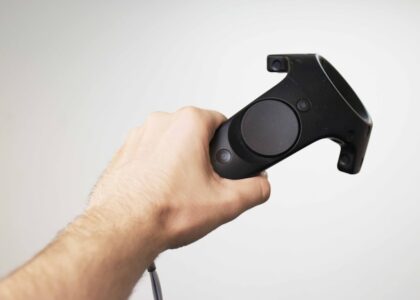
As technology continues to evolve, so too does the field of animation. Virtual reality (VR) and augmented reality (AR) have emerged as groundbreaking platforms that offer immersive experiences unlike any other. When I first encountered VR, I was fascinated by the potential it holds for storytelling.
Creating animated experiences in a 3D space where users can interact with characters and environments opens up new avenues for engagement. The challenge lies in designing experiences that are not only visually stunning but also intuitive and user-friendly. AR takes this concept further by blending digital elements with the real world.
As I explore AR animation, I find myself considering how animated characters can interact with physical spaces and objects. This requires a different approach to design and animation, as I must account for how users will perceive and interact with these elements in real-time. The possibilities are endless; from educational applications that bring historical figures to life in classrooms to interactive marketing campaigns that engage consumers in novel ways, VR and AR are reshaping how we experience animation.
Coding and Scripting for Animation

The Role of Coding in Animation
While artistic skills are vital in animation, technical knowledge is equally important. Coding and scripting play a significant role in bringing animated projects to life, especially in interactive media such as video games or web animations. As I delve into programming languages like Python or JavaScript, I begin to understand how code can control animations, create dynamic interactions, and enhance user experiences.
Streamlining Animation Workflow with Code
This technical aspect of animation has opened my eyes to the possibilities of creating more complex projects. Learning to code has also allowed me to automate certain processes within my animation workflow. For instance, scripting can help streamline repetitive tasks or generate procedural animations based on specific parameters.
The Synergy of Art and Technology in Animation
This efficiency not only saves time but also encourages experimentation with new ideas that may have seemed daunting before. As I continue to develop my coding skills alongside my artistic abilities, I find that the synergy between these two disciplines enriches my work as an animator.
Storyboarding and Concept Art
Before any animation comes to life on screen, it begins with an idea—a concept that needs to be visualized through storyboarding and concept art. Storyboarding serves as a blueprint for the entire project; it allows me to map out scenes, transitions, and key moments in the narrative. As I sketch out each frame, I consider pacing, composition, and visual storytelling techniques that will guide the viewer’s experience.
This process is crucial for ensuring that the final animation aligns with my original vision. Concept art complements storyboarding by providing a visual representation of characters, environments, and key elements within the story. It allows me to explore different styles and aesthetics before committing to a final design.
Through concept art, I can experiment with color palettes, lighting effects, and character expressions that will ultimately shape the tone of the animation. This phase of development is both exciting and essential; it lays the groundwork for everything that follows in the production process.
Collaboration and Communication Skills in Animation Industry
The world of animation is rarely a solitary endeavor; collaboration is at its core. Working alongside other artists, animators, writers, and directors requires strong communication skills and an openness to feedback. As I engage in group projects or team-based environments, I learn the importance of articulating my ideas clearly while also being receptive to others’ perspectives.
This collaborative spirit fosters creativity and innovation as we combine our unique talents to create something greater than any one individual could achieve alone. In addition to teamwork within creative teams, effective communication extends beyond artistic discussions. Understanding client needs or audience expectations is crucial for delivering successful projects.
Whether presenting ideas during pitch meetings or discussing revisions based on feedback from stakeholders, honing my communication skills has become an invaluable asset in navigating the animation industry. Ultimately, it is this blend of collaboration and communication that transforms individual talents into cohesive animated stories that resonate with audiences worldwide. In conclusion, as I reflect on my journey through the diverse skills required for animation, I am reminded of the endless possibilities this art form offers.
From 3D modeling to character design, motion graphics to virtual reality experiences—each skill contributes uniquely to the tapestry of animation. By embracing both artistic creativity and technical knowledge while fostering collaboration within teams, I am excited about what lies ahead in my pursuit of becoming a skilled animator capable of captivating audiences through visual storytelling.
FAQs
What are the most in-demand animation skills for 2025?
The most in-demand animation skills for 2025 include 3D modeling, character animation, motion capture, virtual reality (VR) and augmented reality (AR) animation, and coding for animation.
Why are 3D modeling skills in high demand for animation in 2025?
3D modeling skills are in high demand for animation in 2025 due to the increasing popularity of 3D animation in various industries such as gaming, film, advertising, and virtual reality experiences.
What is the significance of character animation skills in 2025?
Character animation skills are significant in 2025 as they are essential for bringing characters to life in animated films, video games, and virtual reality experiences, creating engaging and immersive content for audiences.
How does motion capture play a role in the demand for animation skills in 2025?
Motion capture plays a significant role in the demand for animation skills in 2025 as it allows animators to capture realistic human movements and apply them to animated characters, enhancing the overall quality and realism of animations.
Why are virtual reality (VR) and augmented reality (AR) animation skills in high demand for 2025?
Virtual reality (VR) and augmented reality (AR) animation skills are in high demand for 2025 due to the increasing use of VR and AR technologies in various industries, creating a need for animators who can create immersive and interactive experiences in these mediums.
How does coding for animation contribute to the demand for animation skills in 2025?
Coding for animation is in high demand for 2025 as it allows animators to create complex and interactive animations, as well as to work with emerging technologies such as VR, AR, and interactive media, making it an essential skill for animators in the future.