I’ve always been captivated by The Art of Animation: A Journey from Sketch to Screen Animation, which highlights how technology & creativity combine to create dynamic movements and vivid colors that bring stories to life. Upon exploring the realm of animation production, I discover that it is a complex process that starts with the most basic of instruments: a pencil & paper. I’ll go over the different phases of animation production in this post, from the first sketches to the finished rendered image, emphasizing the significance of each stage.
Key Takeaways
- Sketching is the essential first step in animation production, laying the foundation for the entire process.
- Animation production brings sketches to life through a combination of artistry and technical skill.
- The step-by-step workflow of animation production involves planning, storyboarding, animatics, and final animation.
- Design is a crucial aspect of animation production, involving the crafting of characters and environments to bring the story to life.
- Rendering is the final step in animation production, bringing the completed animation to life with lighting, textures, and effects.
- Collaboration is key in animation production, with a team effort required to bring all elements together for a successful final product.
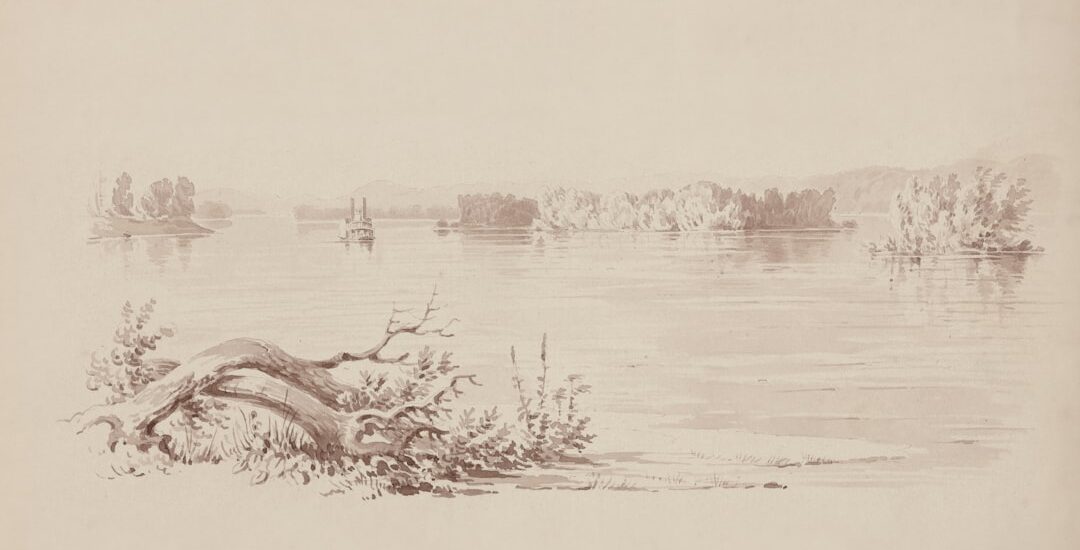
I start my animation journey with sketches. It serves as the cornerstone around which all animated films are constructed. Characters, settings, and scenes that will eventually develop into a complete animated work can all be made with a few pencil strokes. The freedom to explore ideas without being constrained by software or technology makes this first stage essential. Every sketch captures the essence of what I want to say and acts as a visual representation of my ideas and concepts. I frequently find myself experimenting with various styles & techniques while sketching.
This stage’s versatility allows me to easily alter the facial expressions, body language, and even the scene’s overall composition. Establishing a solid narrative foundation requires this creative freedom. In addition to providing a framework for the animation, the sketches I make during this stage also aid in honing my narrative techniques.
I can gain a better understanding of how my concepts will be translated into movement & emotion on screen by visualizing them. Creating animation is the next step after I have a good collection of sketches. At this stage, my original concepts start to take shape and develop into something interesting and dynamic. By employing diverse animation methods, including conventional hand-drawn animation, 2D digital animation, & 3D modeling, I am able to give my characters and scenes life.
I can select the approach that best suits the narrative I wish to tell because each has its own special charm and difficulties. Creating keyframes that specify the crucial motions and changes in my animation is my main goal at this point. By serving as anchors & directing motion, these keyframes make sure the animation feels seamless. Timing and spacing are crucial components in expressing emotion and action, so I pay great attention to them as I go through this process.
I try to convey that subtlety in each frame because a character’s movements can arouse various emotions in the viewer. Animation production has a complex workflow that needs to be carefully planned & carried out. I usually begin by creating a storyboard that shows the order in which my animation will unfold. In addition to helping me arrange my ideas, this visual roadmap makes sure that the story makes sense as it moves from one scene to the next. Before starting the actual animation, I can more easily spot any possible problems because storyboarding helps me see how each sketch will turn into motion.
After storyboarding, I proceed to make an animatic, which is a preliminary animation that incorporates timing, sound, and the storyboard images. In order to evaluate rhythm and tempo and make necessary corrections before moving forward with full animation, this step is essential. After I’m happy with the animatic, I can start honing my keyframes & incorporating in-betweens to make the movements flow naturally.
I find it immensely satisfying to watch my sketches come to life on screen, but this painstaking process demands patience and attention to detail. Design is essential to the creation of animation because it determines the visual identities of my environments and characters. In this stage, I concentrate on creating unique character designs that capture their essence and their functions in the narrative. Every character needs to possess distinct qualities that help the audience identify with or remember them. I frequently play around with color schemes, forms, and styles in an effort to discover the ideal blend that best expresses them.
I spend time creating immersive settings that improve the narrative experience in addition to designing characters. As significant as my characters themselves are the environments in which they live; these settings give the story depth and context. A busy cityscape or a calm forest—each setting needs to be carefully planned to enhance the characters’ journeys. I can create a world that feels vibrant and captivating by paying close attention to details like lighting, texture, and atmosphere.
It’s time for rendering after every component is complete, including the animated scenes and the character designs. Everything comes together at this point in a polished format that is prepared for viewing. Processing all of my produced visual data into a finished product that can be distributed to a viewer is known as rendering. This procedure may require a significant amount of time and processing power, depending on how complicated my animation is.
I focus on details like textures, shadows, and lighting effects when rendering. The overall appearance and feel of my animation are greatly influenced by these components. There is nothing like a well-drawn scene to arouse feelings and draw viewers into the narrative. I feel a sense of accomplishment as I see my work come together during this stage because I know that all of my effort has culminated in this moment, which is the result of my technical and creative skills coming together. Animation frequently involves a large number of skilled people working together, even though it can occasionally appear to be a solitary endeavor.
Every individual involved in making an animated project a reality, from storyboard artists and writers to animators and sound designers, is essential. Working together encourages creativity; by exchanging thoughts & criticism with others, I can improve my work and make it better than I could on my own. I can also benefit from the knowledge & viewpoints of others when I work in a group. Every participant enhances the production process overall by contributing their special talents and perspectives. Whether discussing soundscapes or coming up with character designs, teamwork promotes creativity & open communication. In the end, it takes a team effort to turn a straightforward concept into an engaging animated experience that appeals to viewers.
To sum up, the process of creating an animated film is a complex one that starts with simple drawings and ends with vivid visual storytelling. Every phase—designing, rendering, animating, and sketching—contributes significantly to the final product. My ability to collaborate and be creative allows me to realize my ideas in ways that entertain and motivate others. I’m reminded of the ability of animation to unite people via common experiences and stories as I continue to delve deeper into this intriguing field.
If you enjoyed reading about the animation production process in From Sketch to Screen, you may also be interested in checking out Halla Altaie’s website to learn more about her background and experience in the animation industry. Additionally, you can read testimonials from clients and collaborators who have praised Halla Altaie’s skills and professionalism on her testimonials page.
FAQs
What is the animation production process?
The animation production process involves several stages, including concept development, scriptwriting, storyboarding, character design, layout, animation, sound design, and post-production.
What is the role of concept development in animation production?
Concept development is the initial stage of animation production where the overall idea and theme of the project are developed. This stage involves brainstorming, research, and the creation of a concept that will guide the rest of the production process.
What is storyboarding in animation production?
Storyboarding is the process of creating a visual outline of the animation, scene by scene. It involves sketching out the key moments and actions in the story, helping to plan the visual flow and pacing of the animation.
What is character design in animation production?
Character design is the process of creating the appearance and personality of the characters in the animation. This stage involves sketching and refining the look of the characters to fit the overall style and tone of the project.
What is layout in animation production?
Layout is the stage where the backgrounds and settings for the animation are designed and finalized. This involves creating the visual environment in which the characters and action will take place.
What is involved in the animation stage of production?
The animation stage involves bringing the characters and scenes to life through movement and action. This can be done through traditional hand-drawn animation or digital animation techniques.
What is post-production in animation production?
Post-production is the final stage of animation production, where the finishing touches are added to the animation. This includes editing, sound design, music, and any visual effects that may be needed to enhance the final product.