
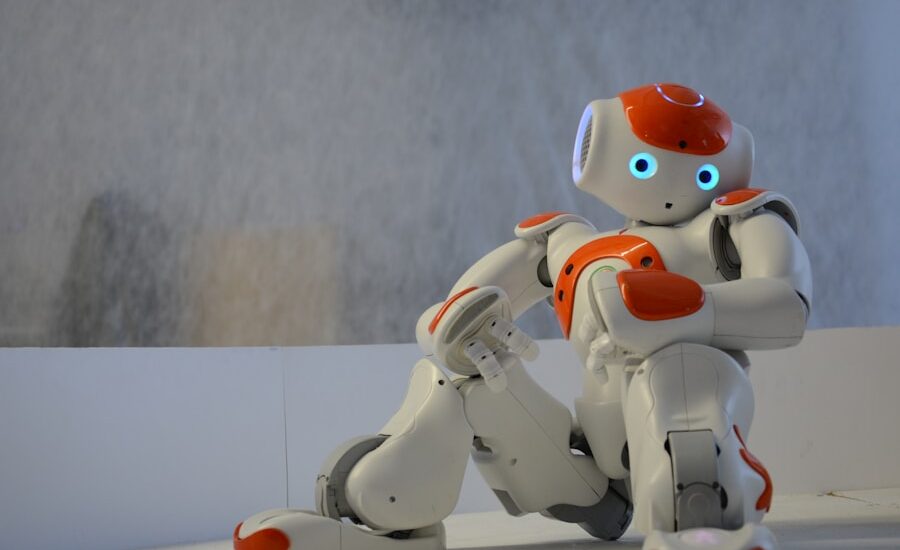
As I reflect on the journey of animation technology, I am struck by how far we have come since the early days of hand-drawn frames. The roots of animation can be traced back to ancient civilizations, where simple drawings were used to create the illusion of movement. Fast forward to the 20th century, and we see the birth of classic animated films, where painstakingly crafted cel animation brought characters to life.
The introduction of computers in the late 20th century marked a significant turning point, allowing animators to explore new dimensions of creativity and efficiency. The transition from traditional methods to digital techniques opened up a world of possibilities, enabling artists to experiment with 3D modeling, motion capture, and sophisticated rendering software. As I delve deeper into the evolution of animation technology, I can’t help but marvel at the rapid advancements that have taken place in recent years.
The rise of high-definition graphics and real-time rendering has transformed the way stories are told through animation. With tools like Blender and Maya, animators can create stunning visuals that were once thought to be the realm of science fiction. Moreover, the advent of virtual reality (VR) and augmented reality (AR) has added a new layer of interactivity, allowing audiences to engage with animated worlds in ways that were previously unimaginable.
This evolution is not just about technology; it reflects a shift in how we perceive and experience animated content, making it more immersive and engaging than ever before.
Key Takeaways
- Animation technology has evolved significantly over the years, from traditional hand-drawn animation to computer-generated imagery (CGI) and motion capture.
- AI is revolutionizing the animation industry by automating repetitive tasks, improving efficiency, and enabling the creation of more realistic and complex animations.
- Using autonomous animators can benefit studios by reducing production time, lowering costs, and allowing animators to focus on more creative aspects of the process.
- Creativity still plays a crucial role in AI-generated animation, as human input is necessary to guide and refine the output of AI algorithms.
- The rise of autonomous animators may impact the job market by changing the skill sets required for animators and potentially reducing the need for certain roles in the industry.
How AI is Revolutionizing the Animation Industry
Streamlining Workflows and Enhancing Productivity
From automating repetitive tasks to generating complex animations based on simple inputs, AI is streamlining workflows and enhancing productivity. For instance, AI algorithms can analyze vast amounts of data to predict audience preferences, allowing studios to tailor their content more effectively. This data-driven approach not only saves time but also increases the likelihood of creating successful animated projects.
Transforming Character Animation
I find it fascinating how machine learning techniques can analyze existing animations and generate new movements that feel natural and fluid. This capability allows animators to focus on storytelling and character development rather than getting bogged down in technical details. As a result, we are witnessing a new era where creativity and technology coexist harmoniously, enabling artists to push the boundaries of their craft.
The Future of AI in Animation
The potential for AI in animation is vast, and I am excited to see how it will continue to evolve in the coming years.
The Benefits of Using Autonomous Animators
The emergence of autonomous animators represents a significant leap forward in animation technology. As I consider the benefits they bring to the table, I am particularly impressed by their ability to enhance efficiency and reduce production costs. Autonomous animators can handle tasks such as rigging, lip-syncing, and even background generation with remarkable speed and accuracy.
This automation allows human animators to allocate their time and energy toward more creative aspects of their work, such as developing compelling narratives and character arcs. In addition to efficiency, autonomous animators also contribute to consistency in animation quality. I have observed that maintaining a uniform style across various scenes can be challenging for human animators, especially when working on large projects with tight deadlines.
However, autonomous animators can ensure that every frame adheres to the established aesthetic, resulting in a polished final product. This consistency not only enhances the viewer’s experience but also strengthens the overall brand identity of animated content. As I contemplate these advantages, it becomes clear that autonomous animators are not just tools; they are valuable collaborators that can elevate the quality of animated productions.
The Role of Creativity in AI-Generated Animation
While AI has made significant strides in automating various aspects of animation, I believe that creativity remains an essential component of the process. AI-generated animations may be efficient and visually stunning, but they often lack the emotional depth and nuance that human creativity brings to storytelling. As I explore this dynamic, I recognize that the most successful animations are those that blend technological innovation with artistic vision.
Human animators play a crucial role in guiding AI systems, providing them with context and direction that ultimately shape the final output. Furthermore, creativity in AI-generated animation is not solely about human input; it also involves collaboration between artists and AI systems. I find it intriguing how animators can use AI as a source of inspiration, generating ideas or exploring new styles that they may not have considered otherwise.
This symbiotic relationship allows for a richer creative process, where both human intuition and machine learning contribute to the development of unique animated works. As I reflect on this interplay between creativity and technology, I am optimistic about the future of animation as an art form that embraces innovation while honoring its artistic roots.
The Impact of Autonomous Animators on the Job Market
As I consider the rise of autonomous animators, I cannot ignore the implications for the job market within the animation industry. On one hand, there is a concern that automation may lead to job displacement for traditional animators. However, I believe that this perspective overlooks the potential for new opportunities that arise from technological advancements.
While certain tasks may become automated, there will always be a demand for skilled animators who can infuse projects with creativity and emotional resonance. Moreover, as autonomous animators take on more routine tasks, human animators can focus on higher-level creative roles that require critical thinking and artistic vision. This shift may lead to the emergence of new job titles and specializations within the industry, such as AI trainers or creative directors who oversee AI-generated content.
As I contemplate these changes, I am reminded that adaptation is key in any evolving industry. Embracing new technologies while honing our creative skills will ensure that we remain relevant in an increasingly automated landscape.
The Future of Autonomous Animators in Animation Studios
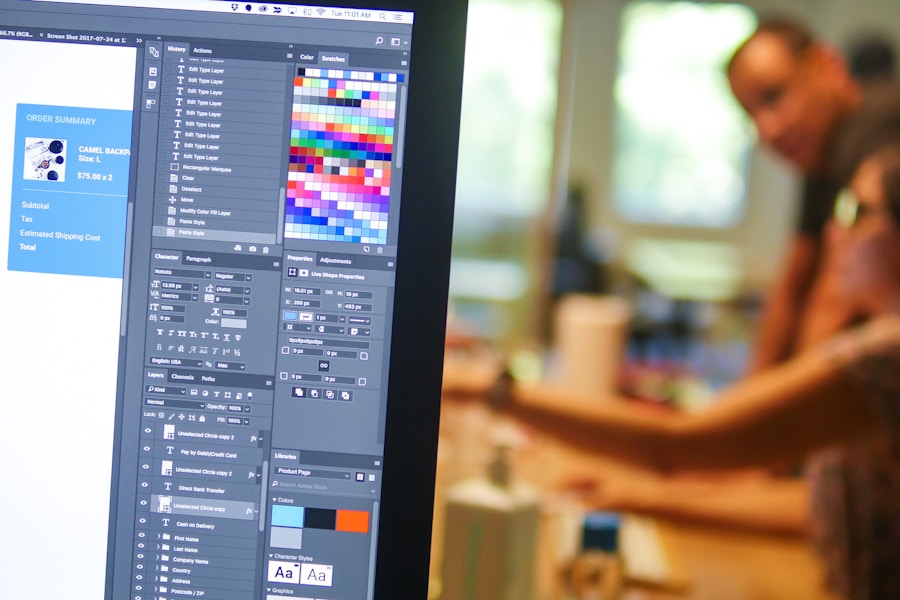
Looking ahead, I envision a future where autonomous animators become integral members of animation studios. As technology continues to advance, these systems will likely become more sophisticated, capable of handling increasingly complex tasks with minimal human intervention. This evolution will enable studios to produce high-quality content at an unprecedented pace, meeting the growing demand for animated material across various platforms.
However, I also believe that the future will require a careful balance between automation and human creativity. While autonomous animators can enhance efficiency and streamline workflows, they cannot replace the unique perspectives and emotional insights that human artists bring to their work. As I ponder this balance, I am optimistic about a collaborative future where animators work alongside AI systems to create innovative and engaging content that resonates with audiences on a deeper level.
Ethical Considerations in Using AI for Animation
As I delve into the ethical considerations surrounding AI in animation, I recognize that this technology raises important questions about authorship and ownership. When an autonomous animator generates content based on algorithms and data inputs, who holds the rights to that creation? This dilemma challenges traditional notions of authorship in art and raises concerns about intellectual property rights.
As an artist myself, I find it essential to engage in discussions about these issues as we navigate this new landscape. Additionally, there are ethical implications related to representation and bias in AI-generated content. If AI systems are trained on datasets that lack diversity or perpetuate stereotypes, there is a risk that these biases will be reflected in the animations they produce.
As I consider my role as an animator in this context, I feel a responsibility to advocate for inclusive practices in both data collection and content creation. By prioritizing diversity and representation in our work, we can ensure that animated stories reflect the richness of human experience.
Tips for Integrating AI Tools into Animation Workflows
As I explore ways to integrate AI tools into my animation workflow, I’ve discovered several strategies that can enhance both efficiency and creativity. First and foremost, it’s crucial to familiarize myself with various AI software options available in the market. From character rigging tools to motion capture systems powered by machine learning algorithms, understanding these tools allows me to identify which ones align best with my creative vision.
Another valuable tip is to start small by incorporating AI tools into specific aspects of my workflow rather than attempting a complete overhaul all at once. For instance, I might use AI for background generation while continuing to focus on character design manually. This gradual integration allows me to maintain control over my creative process while reaping the benefits of automation where it makes sense.
Finally, collaboration is key when working with AI tools. Engaging with fellow animators who have experience using these technologies can provide valuable insights and tips for maximizing their potential. By sharing knowledge and experiences within my community, I can foster an environment where creativity flourishes alongside technological innovation.
In conclusion, as I navigate this exciting era of animation technology driven by AI advancements and autonomous animators, I remain optimistic about the future possibilities for storytelling through animation. Embracing change while honoring our artistic roots will ensure that we continue to create meaningful content that resonates with audiences around the world.
FAQs
What are autonomous animators?
Autonomous animators are AI tools that use machine learning and automation to create animations without the need for human intervention. These tools can generate animations based on input parameters and can mimic human-like movements and behaviors.
How do autonomous animators work?
Autonomous animators work by using algorithms and data to analyze and understand movement patterns, behaviors, and other characteristics. They then use this information to generate animations that are realistic and lifelike.
What are the benefits of using autonomous animators?
Using autonomous animators can save time and resources by automating the animation process. They can also create high-quality animations that are difficult or time-consuming for humans to produce. Additionally, autonomous animators can be used to generate a large volume of animations quickly and efficiently.
Are there any limitations to autonomous animators?
While autonomous animators can create impressive animations, they may not always capture the same level of creativity and emotion that a human animator can. Additionally, they may require a significant amount of data and processing power to generate animations accurately.
What industries can benefit from autonomous animators?
Autonomous animators can be used in a variety of industries, including entertainment, advertising, gaming, education, and more. They can be used to create animated content for videos, advertisements, virtual reality experiences, and other applications.