
As I delve into the world of neural rendering, I find myself captivated by the intersection of artificial intelligence and visual artistry. Neural rendering is a cutting-edge technology that leverages deep learning algorithms to generate images and animations that are not only visually stunning but also imbued with a level of realism that was previously unattainable. At its core, neural rendering utilizes neural networks—complex mathematical models inspired by the human brain—to process and synthesize visual data.
This technology has emerged as a game-changer in various fields, particularly in entertainment and gaming, where the demand for high-quality visuals continues to escalate. The beauty of neural rendering lies in its ability to learn from vast datasets, enabling it to create images that mimic real-world phenomena. By training on thousands of images, these algorithms can understand intricate details such as lighting, texture, and motion.
This capability allows for the generation of visuals that are not only aesthetically pleasing but also contextually accurate. As I explore this technology further, I am increasingly aware of its potential to transform how we create and experience visual content, making it an exciting area of study for both technologists and artists alike.
Key Takeaways
- Neural rendering is a technology that uses deep learning techniques to create realistic and efficient visual effects in entertainment.
- This technology is revolutionizing the visual effects industry by allowing for more realistic and efficient production of visual effects in film, animation, and virtual reality.
- The science behind neural rendering involves exploring deep learning techniques, which allow for the creation of highly detailed and realistic visual effects.
- Neural rendering has a wide range of applications in film, animation, and virtual reality, allowing for the creation of more immersive and realistic experiences for audiences.
- The advantages of neural rendering include the ability to produce highly realistic visual effects in a more efficient manner, leading to cost and time savings in visual effects production.
How Neural Rendering is Revolutionizing Visual Effects in Entertainment
In the realm of entertainment, neural rendering is nothing short of revolutionary. I have witnessed firsthand how this technology is reshaping the landscape of visual effects (VFX), allowing creators to push the boundaries of imagination. Traditional VFX techniques often require extensive manual labor and time-consuming processes, but with neural rendering, artists can achieve remarkable results in a fraction of the time.
This efficiency not only streamlines production workflows but also opens up new avenues for creativity, enabling filmmakers and animators to experiment with ideas that were once deemed impractical. One of the most striking examples of neural rendering’s impact can be seen in the film industry. I recall watching a recent blockbuster where the visual effects were so lifelike that they blurred the line between reality and fiction.
The seamless integration of computer-generated imagery (CGI) with live-action footage was made possible through advanced neural rendering techniques. By harnessing the power of AI, filmmakers can now create hyper-realistic environments and characters that resonate with audiences on a deeper level. This technology not only enhances storytelling but also elevates the overall cinematic experience, making it more immersive and engaging.
The Science Behind Neural Rendering: Exploring the Deep Learning Techniques
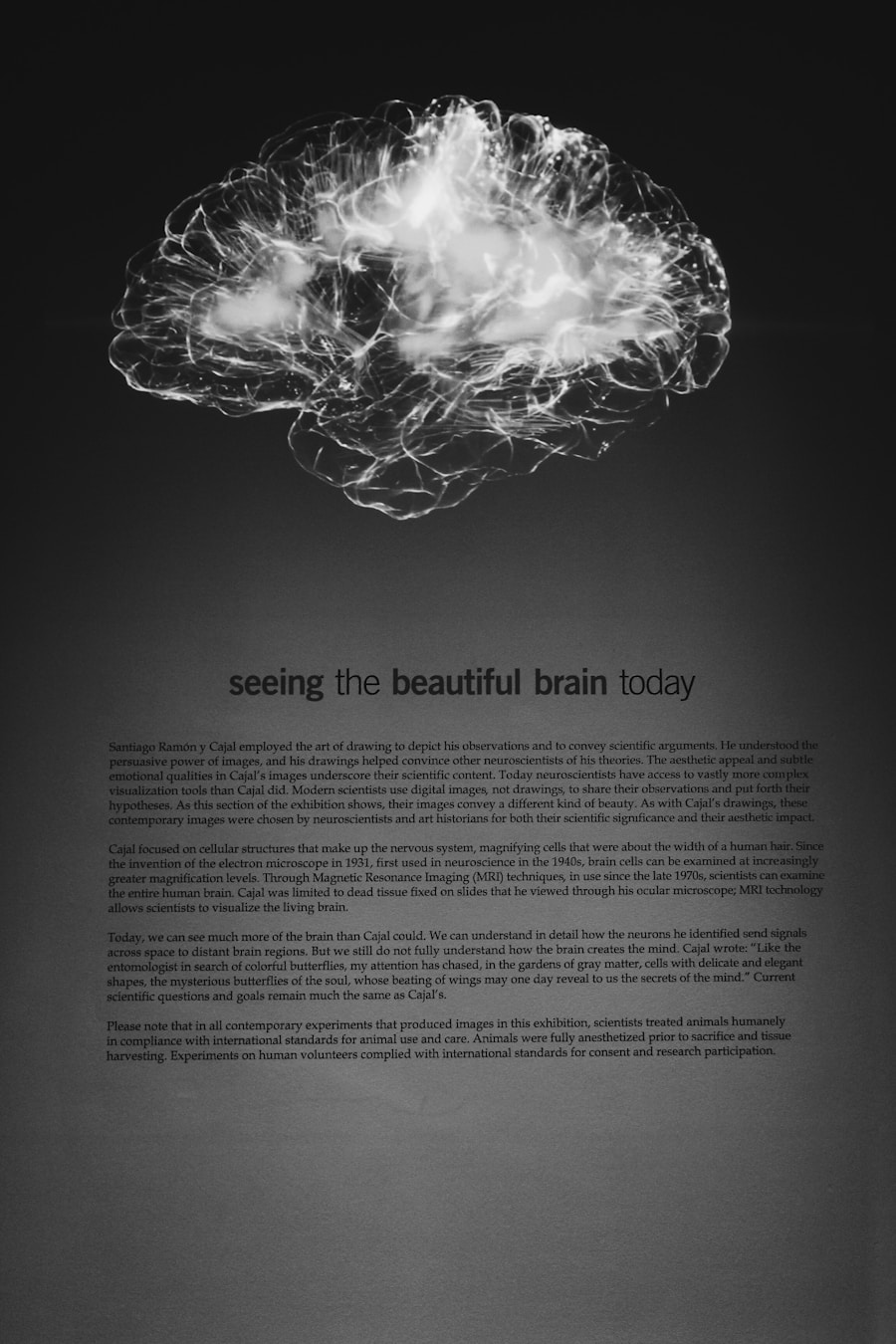
To truly appreciate neural rendering, I find it essential to understand the science that underpins this innovative technology. At its heart lies deep learning, a subset of machine learning that employs artificial neural networks to analyze and interpret complex data patterns. These networks consist of layers of interconnected nodes, each responsible for processing specific features of the input data.
As I explore this intricate web of algorithms, I am fascinated by how they can learn to recognize and replicate visual elements with astonishing accuracy. One prominent technique used in neural rendering is Generative Adversarial Networks (GANs). In this framework, two neural networks—the generator and the discriminator—work in tandem to produce realistic images.
The generator creates images from random noise, while the discriminator evaluates their authenticity against real images. Through this adversarial process, both networks improve over time, resulting in increasingly convincing outputs. As I delve deeper into GANs and other deep learning methodologies, I am struck by their potential to revolutionize not just visual effects but also various other domains where image generation is crucial.
Applications of Neural Rendering in Film, Animation, and Virtual Reality
The applications of neural rendering are vast and varied, extending far beyond traditional film and animation. In my exploration of this technology, I have come across numerous instances where it is being utilized to enhance storytelling across different mediums. For instance, in animated films, neural rendering allows for the creation of stylized visuals that maintain a sense of depth and realism.
This capability enables animators to craft unique worlds that captivate audiences while still adhering to artistic visions. Moreover, virtual reality (VR) has emerged as a fertile ground for neural rendering applications. As I immerse myself in VR experiences, I am often amazed by how this technology can create lifelike environments that respond dynamically to user interactions.
By employing neural rendering techniques, developers can generate realistic landscapes and characters that enhance the sense of presence within virtual worlds. This not only enriches gameplay but also offers new opportunities for storytelling in immersive environments, allowing users to engage with narratives in ways that were previously unimaginable.
Advantages of Neural Rendering: Realistic and Efficient Visual Effects Production
The advantages of neural rendering are manifold, particularly when it comes to producing realistic visual effects efficiently. One of the most significant benefits I have observed is the reduction in production time and costs. Traditional VFX methods often require extensive manpower and resources to achieve desired results; however, with neural rendering, many processes can be automated or accelerated through AI-driven techniques.
This efficiency allows studios to allocate their resources more effectively, ultimately leading to higher-quality outputs within tighter deadlines. Additionally, the realism achieved through neural rendering is unparalleled. As I analyze various projects that have employed this technology, I am consistently impressed by the level of detail and authenticity present in the visuals.
From lifelike textures to dynamic lighting effects, neural rendering enables creators to produce images that resonate with audiences on an emotional level. This heightened realism not only enhances viewer engagement but also elevates the overall quality of the final product, making it a valuable asset in any creative endeavor.
Challenges and Limitations of Neural Rendering Technology

Despite its many advantages, I have come to realize that neural rendering is not without its challenges and limitations. One significant hurdle is the need for vast amounts of high-quality training data. For neural networks to produce convincing results, they must be trained on diverse datasets that accurately represent the desired output.
In many cases, acquiring such data can be time-consuming and costly, posing a barrier for smaller studios or independent creators looking to leverage this technology. Another challenge lies in the computational power required for effective neural rendering. The algorithms involved are often resource-intensive, necessitating powerful hardware and specialized software environments.
As I consider these limitations, I recognize that while neural rendering holds immense potential, it may not yet be accessible to all creators within the industry. Addressing these challenges will be crucial for ensuring that this technology can be widely adopted and utilized across various creative fields.
The Future of Neural Rendering: Potential Developments and Innovations
Looking ahead, I am filled with anticipation for the future developments and innovations in neural rendering technology. As research continues to advance in deep learning and AI, I believe we will witness even more sophisticated algorithms capable of producing increasingly realistic visuals with minimal input data. The potential for real-time rendering is particularly exciting; imagine being able to generate high-quality visuals on-the-fly during live performances or interactive experiences.
Moreover, as accessibility improves and computational resources become more affordable, I foresee a democratization of neural rendering technology within the creative industry. This shift could empower a new generation of artists and creators who may have previously been limited by technical constraints. As I reflect on these possibilities, I am optimistic about how neural rendering will continue to evolve and shape the future of visual storytelling across various mediums.
Implementing Neural Rendering in the Creative Industry: Tips and Best Practices
As I consider how to implement neural rendering effectively within the creative industry, several tips and best practices come to mind. First and foremost, collaboration between technologists and artists is essential. By fostering an environment where both groups can share their expertise and insights, we can unlock new creative possibilities that leverage the strengths of each discipline.
Additionally, investing time in understanding the underlying algorithms and techniques is crucial for maximizing the potential of neural rendering. As I engage with this technology, I find that having a solid grasp of deep learning principles allows me to make informed decisions about how best to utilize it in my projects. Furthermore, staying updated on advancements in the field will enable me to adapt my practices as new tools and methodologies emerge.
In conclusion, my journey through the world of neural rendering has revealed a technology brimming with potential for transforming visual effects in entertainment and beyond. By understanding its intricacies and embracing its capabilities, I believe we can harness this innovation to create compelling narratives that resonate with audiences on a profound level. As I look toward the future, I am excited about the possibilities that lie ahead for both creators and viewers alike in this ever-evolving landscape.
FAQs
What is neural rendering?
Neural rendering is a technique that uses neural networks to generate high-quality visual effects in real-time. It involves training a neural network to understand the complex relationships between 3D scenes, lighting, and materials, and then using this network to render realistic images.
How does neural rendering work?
Neural rendering works by using a neural network to learn the intricate details of how light interacts with 3D scenes and materials. This network can then be used to generate highly realistic images by predicting how light will behave in a given scene.
What are the applications of neural rendering?
Neural rendering has a wide range of applications, including in computer graphics, virtual reality, augmented reality, and video games. It can be used to create highly realistic visual effects, such as realistic lighting, shadows, and reflections, in real-time.
What are the benefits of neural rendering?
The benefits of neural rendering include the ability to generate high-quality visual effects in real-time, without the need for complex and time-consuming manual processes. It can also produce more realistic and immersive visual experiences in virtual and augmented reality applications.
What are some challenges of neural rendering?
Some challenges of neural rendering include the need for large amounts of training data and computational resources to train the neural networks. Additionally, ensuring that the rendered images are physically accurate and consistent with real-world lighting can be a complex task.