

As I delve into the world of design, I find myself increasingly captivated by the concept of bio-organic aesthetics. This approach harmonizes the principles of nature with artistic expression, creating spaces and objects that resonate with the organic forms and patterns found in the natural world. Bio-organic aesthetics is not merely a trend; it represents a profound shift in how we perceive and interact with our environment.
It invites us to reconsider our relationship with nature, urging us to embrace designs that reflect the beauty and complexity of the ecosystems around us. In my exploration of this aesthetic, I have come to appreciate its roots in both art and science. The integration of biological principles into design encourages a deeper understanding of the materials we use and the impact they have on our surroundings.
By drawing inspiration from nature, bio-organic aesthetics fosters a sense of connection to the earth, reminding us of our place within the larger tapestry of life. This connection is vital, especially in an age where urbanization and technological advancement often distance us from the natural world.
Key Takeaways
- Bio-Organic Aesthetics combines natural elements with modern design to create a harmonious and sustainable aesthetic.
- Nature-inspired design has evolved to incorporate sustainable materials and practices, reflecting a growing awareness of environmental impact.
- Biophilic design brings the benefits of nature indoors, promoting wellbeing and productivity in indoor spaces.
- Bio-Organic Aesthetics has a positive impact on wellbeing, connecting people to nature and creating a sense of calm and tranquility.
- Bio-Organic Aesthetics is increasingly being embraced in architecture, urban planning, and everyday life, with a focus on technology and innovation for the future.
The Evolution of Nature-Inspired Design
The Industrial Revolution: A Shift Away from Nature
As I trace the timeline further, I see how the Industrial Revolution brought about a stark contrast to these organic forms. The rise of mass production and mechanization led to a more rigid and geometric approach to design, often neglecting the fluidity and irregularity found in nature.
The Resurgence of Organic Design
However, as society began to recognize the consequences of this disconnection, movements such as Art Nouveau emerged in the late 19th century, celebrating natural forms and emphasizing craftsmanship.
Contemporary Bio-Organic Aesthetic
This resurgence of interest in organic design paved the way for contemporary bio-organic aesthetics, which seeks to merge technology with nature in innovative ways.
Incorporating Sustainable Materials in Bio-Organic Aesthetics
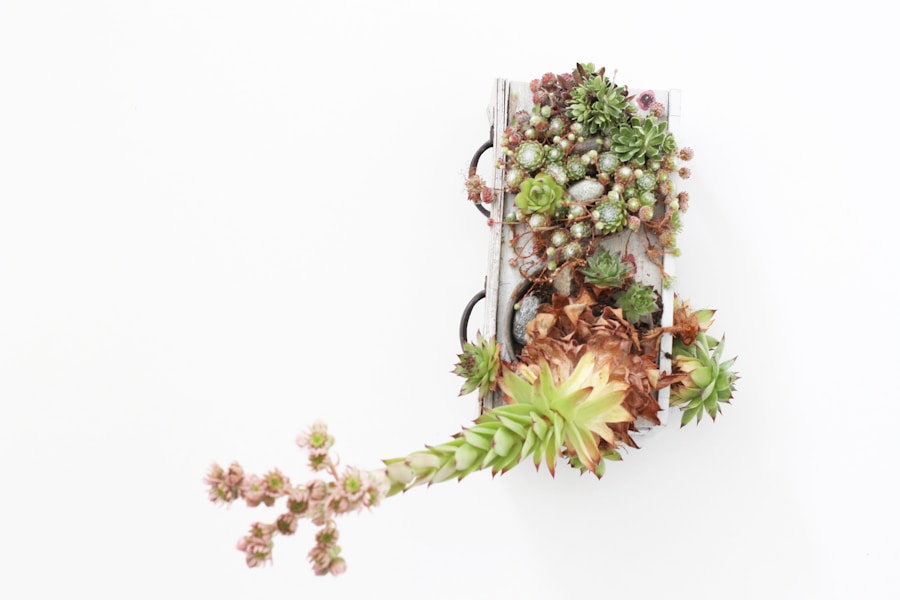
One of the most compelling aspects of bio-organic aesthetics is its commitment to sustainability. As I engage with this philosophy, I am constantly reminded of the importance of choosing materials that not only reflect natural beauty but also minimize environmental impact. The use of sustainable materials is not just a trend; it is a necessity in our quest for a more harmonious existence with the planet.
I find myself drawn to materials like reclaimed wood, bamboo, and recycled metals, which embody both aesthetic appeal and ecological responsibility. In my own projects, I strive to incorporate these sustainable materials in ways that enhance their natural qualities. For instance, using reclaimed wood not only adds character and warmth to a space but also tells a story of its previous life.
Each knot and grain pattern becomes a testament to its journey, inviting a deeper appreciation for the resources we often take for granted. By prioritizing sustainability in my designs, I feel I am contributing to a larger movement that values ecological integrity alongside artistic expression.
Biophilic Design: Bringing Nature Indoors
Biophilic design is an integral component of bio-organic aesthetics that resonates deeply with me. It emphasizes the innate human connection to nature and seeks to bring elements of the outdoors into our indoor environments. As I explore this concept further, I realize how powerful it can be in enhancing our overall well-being.
Incorporating natural light, greenery, and organic shapes into interior spaces creates an atmosphere that fosters relaxation and creativity. In my own living spaces, I have experimented with biophilic design principles by introducing plants, natural light sources, and water features. The presence of greenery not only purifies the air but also instills a sense of tranquility that is often missing in urban settings.
I have noticed how these elements can transform a sterile environment into a vibrant sanctuary, allowing me to reconnect with nature even when surrounded by concrete and steel. This connection is essential for maintaining mental clarity and emotional balance in our fast-paced lives.
The Impact of Bio-Organic Aesthetics on Wellbeing
The impact of bio-organic aesthetics on well-being cannot be overstated. As I immerse myself in this philosophy, I become increasingly aware of how our surroundings influence our mental and emotional states. Research has shown that environments designed with bio-organic principles can reduce stress, enhance mood, and improve overall health.
This understanding drives my passion for creating spaces that prioritize well-being through thoughtful design. In my experience, incorporating elements such as natural light, organic shapes, and sustainable materials fosters a sense of calm and connection to nature. When I step into a space that embraces bio-organic aesthetics, I feel an immediate shift in my mood—an invitation to breathe deeply and appreciate the beauty around me.
This transformative power of design reinforces my belief that we have a responsibility to create environments that nurture not only our physical needs but also our emotional and psychological well-being.
Bio-Organic Aesthetics in Architecture and Urban Planning
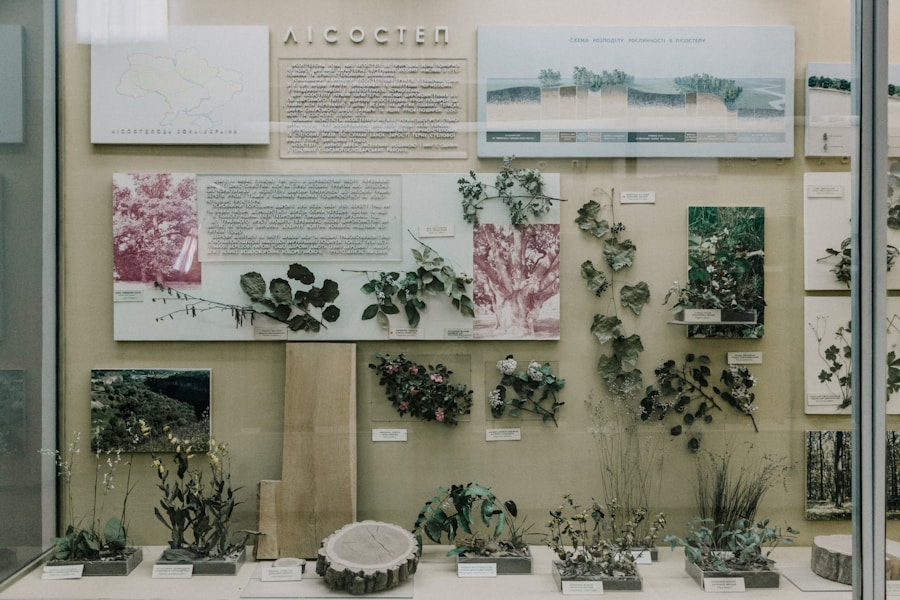
Enhancing Quality of Life through Sustainable Design
The integration of natural elements into urban environments can significantly enhance the quality of life for residents while promoting sustainability. I envision cities that prioritize green spaces, natural light, and organic forms—places where people can thrive amidst nature rather than being isolated from it.
Innovative Applications of Bio-Organic Principles
In my exploration of urban planning initiatives, I have come across inspiring examples where bio-organic principles have been successfully implemented. Parks designed with native plants not only provide habitats for local wildlife but also create spaces for community engagement and recreation. Additionally, buildings that incorporate green roofs or living walls not only improve air quality but also offer residents a direct connection to nature within their urban landscape.
Advocating for Ecological Balance and Human Experience
These innovations inspire me to advocate for designs that prioritize ecological balance while enhancing human experience.
The Future of Bio-Organic Aesthetics: Technology and Innovation
Looking ahead, I am excited about the potential for technology and innovation to further advance bio-organic aesthetics. As we continue to develop new materials and techniques, there is an opportunity to create designs that are not only beautiful but also functional and sustainable. For instance, advancements in biomimicry—where we draw inspiration from nature’s designs—can lead to innovative solutions for energy efficiency and resource management.
In my own practice, I am eager to explore how technology can enhance my designs while remaining true to bio-organic principles. The use of 3D printing allows for intricate forms that mimic natural patterns, while smart materials can adapt to environmental changes, creating dynamic spaces that respond to their surroundings. By embracing these innovations, I believe we can push the boundaries of what is possible in design while remaining committed to sustainability and ecological integrity.
Embracing Bio-Organic Aesthetics in Everyday Life
Ultimately, embracing bio-organic aesthetics in everyday life is about cultivating a deeper connection with our environment. As I reflect on my own journey, I realize that this philosophy extends beyond design; it influences how I interact with the world around me. Simple practices such as incorporating plants into my home or choosing sustainable products can create a ripple effect that promotes awareness and appreciation for nature.
I encourage others to explore bio-organic aesthetics in their own lives by seeking out opportunities to connect with nature—whether through mindful design choices or spending time outdoors. By fostering this connection, we can create a more harmonious existence that honors both our individual well-being and the health of our planet. In doing so, we not only enrich our own lives but also contribute to a collective movement toward sustainability and ecological consciousness that will shape the future for generations to come.
FAQs
What is bio-organic aesthetics?
Bio-organic aesthetics is a design approach that takes inspiration from nature and incorporates organic forms, patterns, and materials into various products and structures. It aims to create visually appealing and functional designs that mimic the beauty and efficiency of natural systems.
How is bio-organic aesthetics different from traditional design?
Bio-organic aesthetics differs from traditional design in its emphasis on imitating natural forms and processes. It often involves the use of sustainable and biodegradable materials, as well as the integration of living organisms or biological elements into the design.
What are some examples of bio-organic aesthetics in design?
Examples of bio-organic aesthetics in design include furniture made from reclaimed wood, buildings with green roofs and living walls, and products inspired by natural shapes and textures. Additionally, biomimicry, which involves emulating nature’s patterns and strategies, is a key aspect of bio-organic aesthetics.
How does bio-organic aesthetics contribute to sustainability?
Bio-organic aesthetics contributes to sustainability by promoting the use of renewable and biodegradable materials, reducing waste through upcycling and recycling, and minimizing the environmental impact of design and production processes. It also encourages a deeper connection to nature and a more holistic approach to design.