
As I delve into the world of procedural animation, I find it fascinating how this technique diverges from traditional animation methods. Procedural animation relies on algorithms and mathematical functions to generate motion and behavior, rather than relying solely on hand-drawn frames or keyframes. This approach allows for a more dynamic and flexible creation process, where animations can adapt in real-time to various inputs or changes in the environment.
I often marvel at how procedural animation can create complex movements and interactions that would be labor-intensive and time-consuming if done manually. One of the most compelling aspects of procedural animation is its ability to produce results that are not only efficient but also highly varied. By using parameters and rules, I can generate an infinite number of unique animations from a single set of instructions.
This capability is particularly useful in scenarios where I need to create large-scale environments or crowds, as it allows me to populate scenes with diverse characters or elements without the need for extensive manual work. The beauty of procedural animation lies in its potential for creativity and innovation, enabling me to explore new artistic avenues that were previously constrained by traditional methods.
Key Takeaways
- Procedural animation involves creating movement and behaviors algorithmically, rather than through manual keyframing.
- AI plays a crucial role in procedural animation by enabling the generation of complex and realistic movements based on data and learning algorithms.
- Procedural animation with AI offers advantages such as efficiency, scalability, and the ability to generate diverse and natural-looking animations.
- Procedural animation with AI has applications in gaming, film, virtual reality, and other industries, enhancing realism and reducing production time and costs.
- Challenges and limitations of procedural animation with AI include the need for extensive data, potential biases, and the risk of over-reliance on automated processes.
The Role of AI in Procedural Animation
Artificial intelligence has revolutionized the field of procedural animation, elevating its capabilities beyond what I could have imagined just a few years ago. By incorporating AI algorithms into the procedural animation pipeline, I can now automate complex tasks that previously required painstaking attention to detail.
Enhanced Realism and Interactivity
The synergy between AI and procedural animation has opened up new possibilities and interactivity. Furthermore, AI-powered tools can assist me in generating animations that respond intelligently to user inputs or environmental changes. For instance, in video games, I can create characters that adapt their movements based on player actions, resulting in a more immersive experience.
Streamlined Animation Process
The incorporation of AI not only streamlines the animation process but also enriches the storytelling aspect by allowing for more nuanced character interactions.
Pushing Boundaries of Procedural Animation
As I explore this intersection of technology and creativity, I am continually inspired by the potential for AI to push the boundaries of what procedural animation can achieve.
Advantages of Procedural Animation with AI
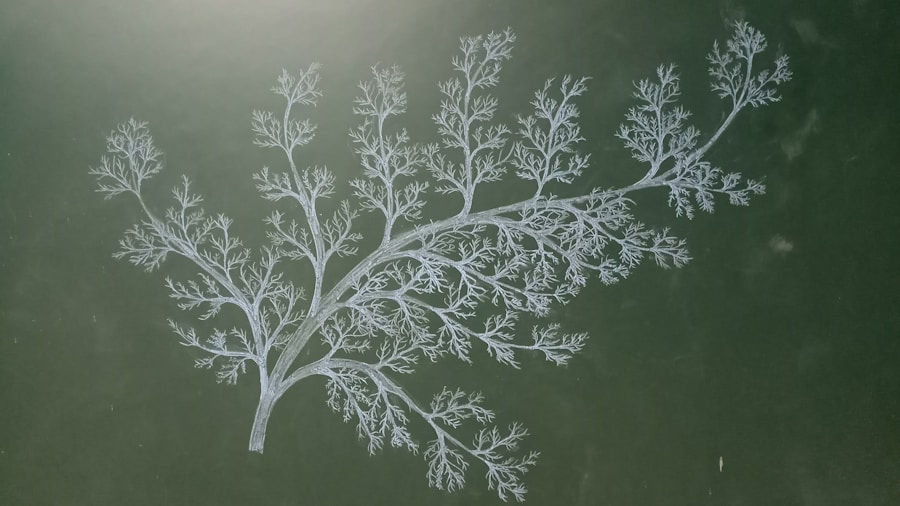
The advantages of combining procedural animation with AI are numerous and compelling. One significant benefit is the efficiency gained in production timelines. With AI handling repetitive tasks and generating animations based on predefined rules, I can focus my energy on higher-level creative decisions.
This shift allows me to produce high-quality animations at a fraction of the time it would take using traditional methods. The speed at which I can iterate on ideas is exhilarating, as it fosters a more dynamic creative process. Additionally, the scalability of procedural animation enhanced by AI is another advantage that cannot be overlooked.
In projects requiring vast amounts of animated content, such as simulations or large-scale video games, I can generate diverse assets without compromising quality. The ability to create unique variations from a single algorithm means that I can populate entire worlds with rich detail while maintaining a cohesive visual style. This scalability not only saves time but also reduces costs, making it an attractive option for studios and independent creators alike.
Applications of Procedural Animation in Various Industries
The applications of procedural animation with AI span across numerous industries, each benefiting from its unique capabilities. In the gaming industry, for instance, I have witnessed firsthand how procedural animation enhances gameplay experiences. Characters that move fluidly and react dynamically to player actions create a sense of realism that draws players deeper into the game world.
The ability to generate diverse animations for non-playable characters (NPCs) adds depth to storytelling and engagement. Beyond gaming, the film industry has also embraced procedural animation techniques. In visual effects, I can create stunning simulations of natural phenomena such as fire, water, or smoke with remarkable accuracy.
These effects not only enhance the visual appeal of films but also contribute to storytelling by immersing audiences in richly detailed environments. Furthermore, industries like architecture and product design utilize procedural animation to visualize concepts and prototypes, allowing clients to experience designs in a more interactive manner before they are built.
Challenges and Limitations of Procedural Animation with AI
Despite the many advantages of procedural animation with AI, there are challenges and limitations that I must navigate. One significant hurdle is the complexity of creating algorithms that produce desired results consistently. While AI can learn from data, it requires a substantial amount of high-quality input to function effectively.
In some cases, I find myself grappling with unexpected outcomes or behaviors that deviate from my creative vision. Fine-tuning these algorithms can be a time-consuming process that demands both technical expertise and artistic intuition. Another challenge lies in the balance between automation and creative control.
While AI can generate impressive results, there are moments when I feel that the human touch is essential for conveying emotion or nuance in animation. Relying too heavily on procedural methods may lead to a loss of individuality in my work, as animations generated by algorithms can sometimes lack the subtlety that comes from manual craftsmanship. Striking the right balance between leveraging AI’s capabilities and maintaining my artistic voice is an ongoing journey.
Future Developments in Procedural Animation with AI
More Sophisticated AI Models
As technology continues to advance, I anticipate more sophisticated AI models capable of understanding context and intent behind animations. This evolution could lead to even more realistic character behaviors and interactions, allowing me to create narratives that resonate deeply with audiences.
Seamless Collaboration with Artists
Moreover, advancements in machine learning techniques may enable AI to collaborate with artists more seamlessly. Imagine a scenario where I can input my creative vision into an AI system, which then generates multiple iterations based on my preferences. This collaborative approach could enhance my workflow by providing me with a range of options while still allowing me to maintain creative control over the final product.
Boundless Potential for Innovation
The potential for innovation is boundless, and I am eager to see how these developments will shape the future of procedural animation.
Ethical Considerations in Procedural Animation with AI
As I explore the intersection of procedural animation and AI, ethical considerations come to the forefront of my mind. One pressing concern is the potential for misuse of AI-generated content. With the ability to create hyper-realistic animations, there is a risk of producing misleading or harmful material that could deceive audiences or perpetuate misinformation.
As creators, it is our responsibility to ensure that our work adheres to ethical standards and does not contribute to negative societal impacts. Additionally, there are questions surrounding authorship and ownership when it comes to AI-generated content. If an algorithm creates an animation based on my input, who holds the rights to that work?
As I navigate this evolving landscape, I recognize the importance of establishing clear guidelines and frameworks that address these ethical dilemmas while fostering creativity and innovation.
The Impact of Procedural Animation with AI on the Creative Industry
In conclusion, the impact of procedural animation with AI on the creative industry is profound and far-reaching. As I reflect on my experiences with this technology, I am continually amazed by its ability to enhance creativity while streamlining production processes. The combination of procedural techniques and AI opens up new avenues for storytelling and artistic expression that were once unimaginable.
While challenges remain, such as ensuring ethical practices and maintaining creative control, I believe that the benefits far outweigh the drawbacks. The future holds exciting possibilities for artists like myself as we embrace these advancements and explore new frontiers in animation. Ultimately, procedural animation with AI is not just a tool; it is a catalyst for innovation that will shape the future of creativity across various industries for years to come.
FAQs
What is procedural animation?
Procedural animation is a technique used in computer graphics to generate animations automatically, based on predefined rules and parameters, rather than using pre-made animations.
How does AI contribute to procedural animation?
AI can be used to create and control procedural animations by learning and adapting to different scenarios, allowing for infinite variations and more realistic movements.
What are the benefits of using AI for procedural animation?
Using AI for procedural animation allows for more natural and lifelike movements, as well as the ability to generate a wide range of variations without the need for manual input.
What are some applications of procedural animation with AI?
Procedural animation with AI can be used in video games, virtual reality, simulations, and other interactive media to create dynamic and responsive animations that adapt to user input and environmental changes.
How does procedural animation with AI differ from traditional animation techniques?
Traditional animation techniques involve creating and storing specific animations for different scenarios, while procedural animation with AI generates animations on the fly based on the current context and parameters.